


Latest news

A federal judge in the Eastern District of New York granted summary judgment to an employer on Title VII claims, finding that a White employee allegedly referred to as 'Karen' did not show an adverse action. The week's most-clicked story also highlighted a 4.7% cost of living increase in 2024, a rise in ghosting complaints among job seekers, and a finding that heavy AI users have workdays up to 90 minutes longer than nonusers.

A recent TalentLMS survey of 1,500 U.S. employees reveals that fewer than half consistently use new ways of working after being trained, a phenomenon dubbed 'habit hugging.' More than a third sometimes return to old methods, and 73% mix old and new approaches. Manager adoption is key: 49% of employees consistently adopt new methods when managers do, versus 22% when they don't. The findings come amid broader struggles to prepare workers for AI, with reports from Randstad Digital, ManpowerGroup Talent Solutions, and Gallup highlighting training gaps and lack of manager preparedness.

New Gartner research shows that although three-quarters of board members expect productivity and savings ROI from AI, 97% of organizations cannot cut expenses solely through productivity measures. Thirty-eight percent are over budget on AI and 85% plan to spend more next year. The study also found that 78% of leaders are not aligned on how AI is helpful, and only 21% of time saved by AI is redirected into innovative work. HR teams need to work with leadership to ensure AI strategies bring value and prepare for employee implications.
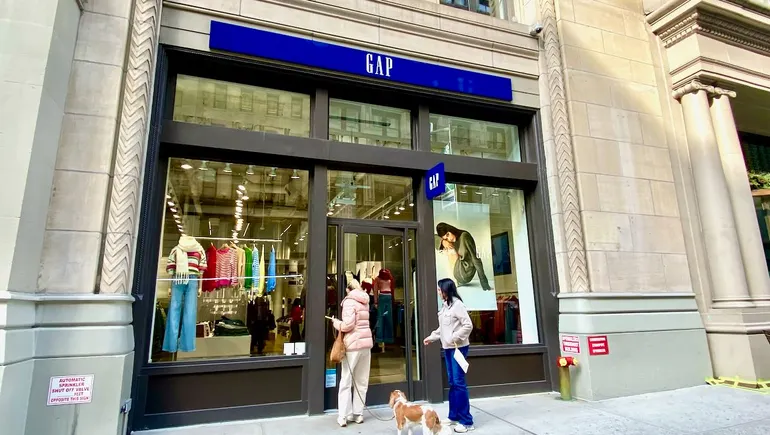
Gap Inc. has introduced Bridgette, an AI-enabled career guide tool built with Paradox and Workday Recruiting technology, to help job seekers find and apply for jobs, answer FAQs, schedule interviews, and send reminders. The tool has been piloted at over 100 stores and six regional distribution centers since June, with nearly 45,000 users and over 7,000 interviews scheduled. Gap Inc. expects around 200,000 seasonal applications and aims to reduce administrative burdens on store managers. The company is hiring for seasonal full-time and part-time positions at stores and distribution centers. This comes as U.S. retail seasonal hiring may decline, with Challenger, Gray & Christmas predicting a 2.5% drop to about 450,000 new jobs, while the National Retail Federation expects 325,000 to 375,000 seasonal hires. Gap Inc. also uses AI for product discovery, including Alta Daily and Daydream tools. In Q2, Gap Inc.'s net sales fell 2% to $3.7 billion, with mixed brand performance.

Addison Group's 2026 Skill Security Report found that 36% of the U.S. workforce, or about 64 million people, have faked their knowledge, skills or expertise, citing pressure to appear capable and stay competitive. The report follows a May 2025 AI Resume Builder survey in which 10% of job seekers admitted lying on their resumes. Experts suggest employers assess skills during hiring and invest in learning and development, as 95% of workers say at least one form of employer support would boost their confidence, with 63% wanting more L&D opportunities. Addison Group CEO Thomas Moran emphasizes both technical and human skills for 'skill security.'

Verizon has promoted Christina Schelling to executive VP and chief people officer, while Franklin Electric appointed Luciana Amaro as CHRO. Other HR leadership changes include Monika Fahlbusch joining Ciena as CPO, Diane Neville becoming CHRO at Oak View Group, and Brian Rea taking the CHRO role at Kraton Corp.
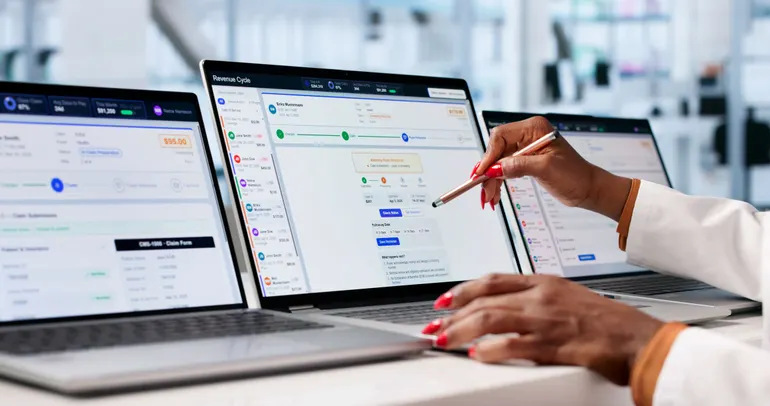
During open enrollment, workers often hesitate to ask questions about their healthcare benefits due to fear of discrimination or discomfort. HR can help by meeting employees where they are: offering small-group sessions, anonymous email or chat, and office hours. Bringing in third-party concierge or navigation services can make employees more comfortable asking questions while giving employers aggregated data on desired benefits. AI tools can also help navigate plan options. Beyond enrollment, employers should encourage year-round conversations and use data and technology to help workers find cost and quality information for shoppable services like imaging and colonoscopies.

PwC confirmed a breach of a third-party vendor site used for employee learning records and is investigating claims by Everest ransomware that it stole 590 gigabytes of employee data. PwC said the incident did not affect its network or operations, and the site does not house client data, sensitive personal data, or financial information. Everest ransomware, active since late 2020, has previously operated as an initial access broker and targeted critical-infrastructure providers.

A new Dayforce report finds that employees are wary of AI's impact on work, with 40% expecting more tasks if AI saves time and 39% predicting slower hiring or reduced headcount. Workers hope employers will use AI-saved time for workflow improvement and burnout mitigation, but many fear negative outcomes. The report also notes that 60% say understaffing is normalized, over half warn of disruption from losing key employees, and nearly 90% are concerned about AI's effect on workforce development. Over 60% admit losing task abilities due to AI reliance, pointing to a growing 'experience debt.' Half of respondents hope employers invest AI-saved time in learning and development.

Despite nominal wage increases, spending power declined for middle- and lower-income households in 61% of the 56 largest U.S. metropolitan statistical areas in 2024, according to an analysis by the Ludwig Institute for Shared Economic Prosperity (LISEP). The cost of living rose 4.7% in 2024, above the 3.2% average annual increase since 2005, driven by housing, childcare (up 7.6%) and healthcare (up 2.9%). LISEP Chair Gene Ludwig noted that rising wages alone do not indicate whether people are better off; what matters is whether incomes keep pace with the cost of living. Meanwhile, employer surveys show planned salary increase budgets of 3.2% for merit and 3.5% total in 2027, and many employers are making tradeoffs or shifting healthcare costs to workers. A September Marsh report found more than 4 in 10 workers believe they are more likely to get a raise by leaving and rejoining their company than by staying, up from 18% in 2024. Employees seek protection against unanticipated costs, particularly medical expenses, and value benefits focused on financial security and stability, per Gartner.