


Library
Hiring More, Not Cutting, Drives Stronger Revenue Growth: Orgvue Report
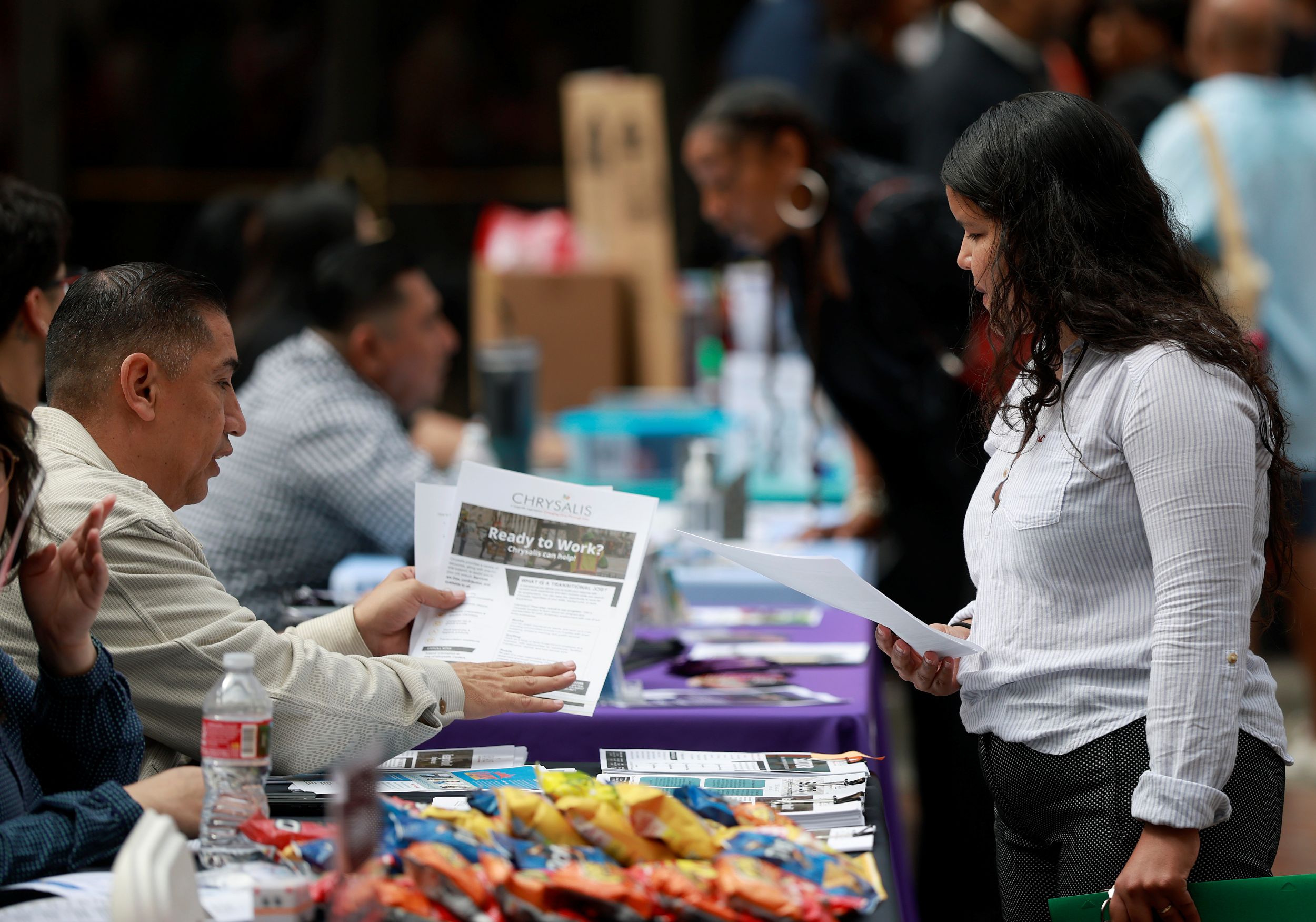
A report from Orgvue reveals that 40% of U.S. companies that increased revenue by hiring more workers outperformed the 23% that raised revenue by reducing headcount. Companies investing in human-fueled growth achieved 12.2% year-over-year revenue growth versus 6.8% for those doing more with less. Despite growing AI interest, less than 10% of corporate restructures were attributed to AI, with 73% linked to traditional operational changes. The tech sector added 105,000 jobs, the highest net workforce growth.

HR Must Set Boundaries for AI Notetakers, Experts Warn
AI-powered notetakers are increasingly used in HR meetings and interviews, but experts warn of legal risks including consent laws, workplace monitoring regulations, and data privacy concerns. HR professionals must thoroughly vet these tools, ensure transparency, and maintain human decision-making. SHRM CHRO Jim Link emphasizes the need for employers to understand data handling and control. Legal counsel advises adopting stringent standards and staying updated on evolving laws.

SHRM CEO: HR Faces ‘Extinction,’ Must Become ‘Chief Work Officer’ to Manage AI and Humans
In his SHRM26 keynote, SHRM President and CEO Johnny Taylor said HR has ‘lost the plot’ and faces ‘extinction’ if it does not evolve. He cited a 2025 meeting where only 10% of 92 Fortune 500 CEOs valued HR and 30% saw little to no value, and pointed to layoffs at Bolt and Uber. Taylor urged HR to become the ‘Chief Work Officer,’ managing humans, AI and robots, forecasting trends, and demonstrating the ROI of each employee to protect the profession.

WTW: Employee Well-Being Rises, but Financial Gaps Persist in Benefits Access
WTW analysis finds that 64% of employees report physical thriving, a 10% increase since 2019, partly due to better benefits understanding and access. However, financial issues lead 41% of workers in their 40s and 21% of those 60 and older to delay or skip doctor appointments. WTW notes that financial pressure affects care-seeking, retirement confidence, and work performance, urging employers to design affordable coverage and build resilience. As open enrollment approaches, experts like Tracy Watts of Marsh advise HR to address employer costs early, tackle the affordability crisis for employees, and enable better access to care, such as through consolidated billing and payment plans.

HR Dive Trendline on Inside the rapidly changing world of compliance
The U.S. Department of Labor, the Equal Employment Opportunity Commission, and the Department of Homeland Security submitted a series of regulatory updates to the White House Office of Management and Budget on Friday, covering issues such as independent contractors, tip credit, child labor hours, EEO-1 reporting, and H-1B visas, indicating that the Trump administration is accelerating the reshaping of the federal employment law compliance framework.

HR Dive Trendline on Top trends in upskilling
In the AI boom, corporate training often overemphasizes the use of technical tools, but experts remind that durable skills (such as judgment, critical thinking) and generational differences are equally crucial. SHL's Andy Nelesen uses a tree metaphor for skill hierarchy and points out that employees of different generations each have their own shortcomings, so training needs to be personalized.
HR Dive Trendline on What HR pros need to know about AI in the workplace
According to the latest Gallup survey, among the 102 chief human resources officers participating in its global CHRO roundtable, half lack confidence in managers' ability to guide employees in using artificial intelligence. To address this challenge, 57% of respondents are providing AI training to managers, and 62% are establishing centers of excellence and internal AI advocate mechanisms. The survey also found that employees are divided on AI's impact on workplace culture, while clear communication and support from leaders can improve acceptance.