


Latest news
The U.S. Department of Homeland Security (DHS) has submitted a proposed rule to the Office of Management and Budget (OMB) that would eliminate the 60-day grace period currently granted to H-1B and similar nonimmigrant visa holders whose employment ends before their visa expiration. If enacted, affected workers could face immediate departure unless U.S. Citizenship and Immigration Services (USCIS) exercises favorable discretion. Legal experts note significant employer challenges, including longer labor condition application processing times and potential reimposition of a $100,000 fee. The rule has not yet been published in the Federal Register, and the regulatory process, including public comment periods, may delay any final change.

Columbia University faces a new civil rights lawsuit from Palestinian students and employees who claim the Ivy League school tolerated and even amplified anti-Palestinian harassment. The complaint, filed Monday in New York County Supreme Court, seeks damages and court intervention, citing failures in the university's Office of Institutional Equity, unequal treatment of pro-Palestinian groups, and alleged undue influence from political figures.
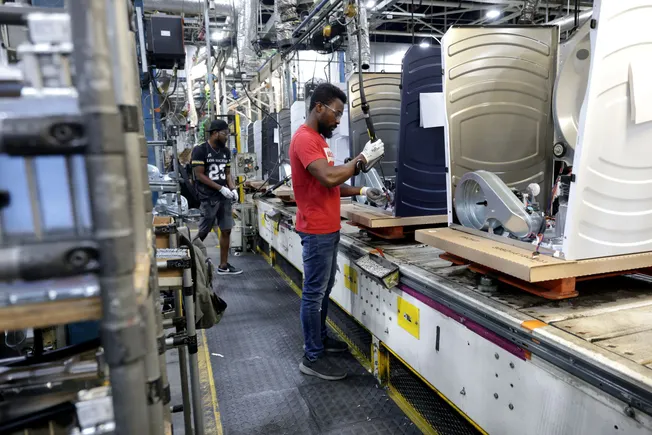
This week's HR data highlights a 3-1 Republican majority on the NLRB, 60% of employees believing bosses work less hard, 70% higher completion for single-owner tasks, and settlements of $150,000 (Apple) and $1.5 million (Mile Hi Foods) with the EEOC.

The U.S. Equal Employment Opportunity Commission (EEOC) filed a lawsuit against Washington University on Wednesday, alleging that a mandatory diversity, equity, and inclusion (DEI) training at its Alvin J. Siteman Cancer Center (SCC) segregated employees by race into separate Zoom breakout rooms. The charging party, a Black senior program manager, claims she was isolated and later terminated in retaliation for filing an EEOC complaint. The lawsuit, filed under Title VII of the Civil Rights Act of 1964 and Title I of the Civil Rights Act of 1991, reflects the EEOC's heightened scrutiny of DEI programs during the Trump administration.

A survey by the National Alliance of Healthcare Purchaser Coalitions reveals that 83% of employers are forced to make tradeoffs with wage increases due to rising healthcare costs, and 93% expect to shift costs to workers. Retention remains a top priority, with 92% saying costs hurt competitiveness.
The Brookings Institution released an analysis arguing that CMS's assumptions in the Medicaid work requirements rule are unfounded, potentially leading to inaccurate projections of coverage losses and federal savings. The report highlights discrepancies with CBO estimates and concerns about the impact on vulnerable beneficiaries.
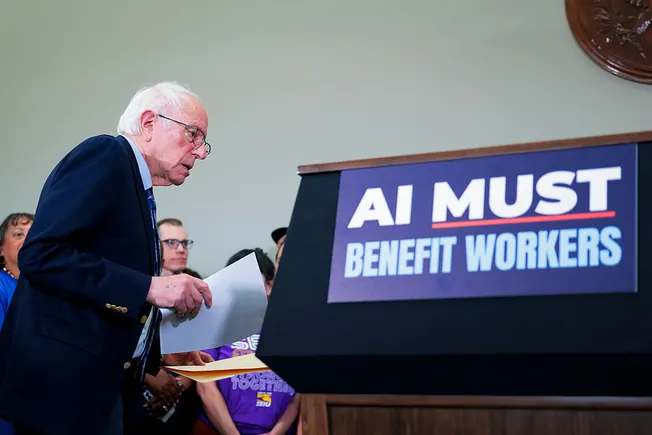
Businessolver's 2026 Workplace Empathy and AI Special Report finds that leaders' empathy levels significantly influence employees' perceptions of AI. In highly empathetic workplaces, nearly nine in ten employees feel they receive adequate AI training, whereas in poor cultures, this proportion is only 33%. Additionally, 83% of employees in empathetic cultures are optimistic about AI, compared to 61% among all employees.

U.S. District Court Judge Margaret M. Garnett on Monday approved an agreement allowing the introduction of a forensic vendor to review the personal devices of payments executive Alex Anderson, to copy and preserve confidential information belonging to payments company Flexible Finance. The order stems from a civil lawsuit filed by Flex, alleging that Anderson misappropriated trade secrets while interviewing for its CFO position and passed them to Split Pay, a competitor where he is now CFO.

As artificial intelligence moves from concept to workplace reality, employers are facing a series of unforeseen consequences: employees requesting religious exemptions from using AI tools, lawsuits over AI-assisted hiring and firing decisions, and employees submitting AI-generated work products they do not understand. These issues span the entire HR spectrum, from talent acquisition to employee engagement to compliance management. HR Dive will continue to monitor this new world, and this article summarizes nine typical problems and recommendations for avoidance.

Growth is an important milestone for small and medium enterprises, but it also brings operational complexity and cultural challenges. Drawing on data from Gallup and HiBob, this article explores how to maintain employee trust and corporate culture during expansion through reliable compensation systems, transparent communication, and manager empowerment.