


Latest news

HR Dive has compiled a fall reading list for HR professionals, featuring books that explore the world of work and the workplace. The list includes nonfiction titles such as Atomic Habits by James Clear, The Practice of Adaptive Leadership by Alexander Grashow, Ronald Heifetz, and Marty Linsky, and Unreasonable Hospitality by Will Guidara, as well as fiction like Klara and the Sun by Kazuo Ishiguro and Project Hail Mary by Andy Weir. Recommendations come from HR Dive’s own lists and its readers, offering something for every reader.

Dan Rust, VP of global leadership development at Infopro Learning, suggests that Gen Z's bluntness and disengagement are honest reflections of workplace culture rather than inherent problems. He contrasts 'heavy' leadership, which relies on control and surveillance, with 'light' leadership that fosters deeper personal connections. By treating employees' questions nonjudgmentally and building relationships similar to friendships, leaders can engage Gen Z and all workers more effectively.

Businesses are demanding more from HR partners, and AI is enabling smarter service delivery. While automation handles routine payroll, compliance, and administrative tasks, AI can identify patterns and potential issues. However, the real opportunity lies in using technology to enhance human expertise, not replace it. By connecting systems and reducing friction, HR services become more efficient, and professionals can focus on decisions requiring context and judgment. Employers should evaluate technology based on its ability to reduce administrative work, integrate functions, and provide knowledgeable human support when needed. CoAd exemplifies this approach, combining an AI-enabled platform with human expertise to deliver more useful HR services.
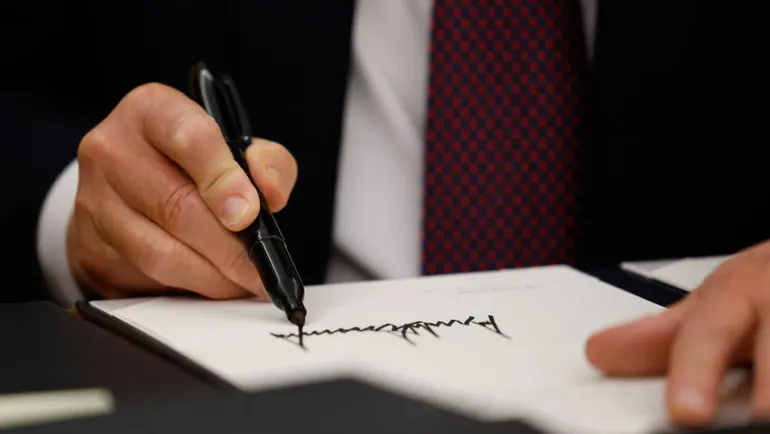
U.S. District Judge Adam Abelson declined to block President Trump's March executive order that threatens federal contracts over DEI efforts. The order prohibits 'disparate treatment based on race or ethnicity,' which the judge interpreted as intentional discrimination already prohibited by federal law. Higher education groups sued, arguing the order was overly broad and violated their constitutional rights, but the judge found they were unlikely to succeed. The ruling provides clarity for contractors, though the plaintiffs may still challenge specific enforcement actions.
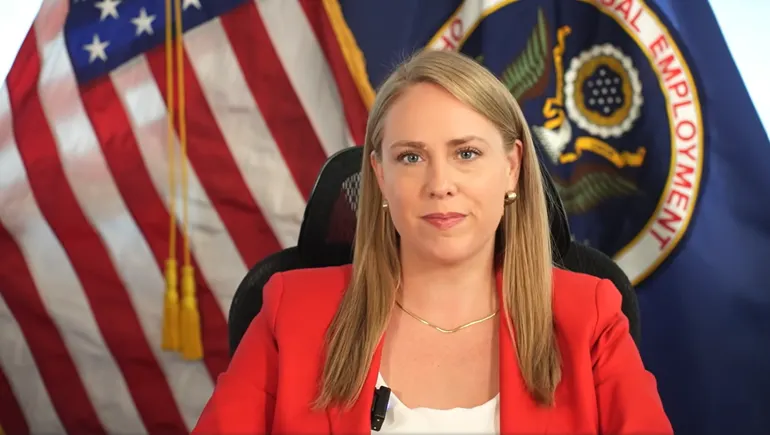
National origin bias enforcement is changing under President Donald Trump's second administration. The EEOC has shifted its focus from protecting immigrant workers to combating anti-American bias, as evidenced by recent lawsuits and policy statements. This article reviews the evolution of EEOC priorities and the implications for employers.

Women’s representation on Russell 3000 boards fell to 29.2% in Q2, down from 30.1% a year earlier, according to 50/50 Women on Boards. The decline follows a drop from 30.4% in Q1 last year to 29.9% in Q1 this year. Only 13.8% of newly appointed women replaced men, and CEO Heather Spilsbury calls the findings “a call to action,” stressing that merit is the standard but access is the issue. HR can help by providing tools and mentorship, as surveys show many women feel unsupported.

The U.S. Equal Employment Opportunity Commission (EEOC) announced that New York City-based Hungry Ghost Coffee will pay $22,500 to settle a lawsuit alleging violations of Title VII of the Civil Rights Act of 1964. According to the complaint, a Muslim barista requested not to be scheduled for his regular 2-8 p.m. shift during Ramadan to accommodate his religious fasting, but his manager scheduled him for two such shifts, refused a shift swap, and fired him. The settlement includes a two-year consent decree requiring annual training on federal anti-discrimination laws, with emphasis on religious discrimination protections. EEOC Regional Attorney Kimberly Cruz stated the agency remains steadfast in protecting against religious discrimination. The case follows EEOC's heightened enforcement of religious liberty protections under its National Enforcement Plan.

A recent 4th U.S. Circuit Court of Appeals opinion, Dieng v. Orkin LLC, underscores key ADA principles for HR professionals. The case involved an employee who, after a workplace injury, was kept on indefinite unpaid leave despite requesting lighter-duty work. The employer allegedly failed to meaningfully engage in the interactive process, providing vague or no responses and not assessing the employee's qualifications for open positions. The court found that indefinite leave was not a reasonable accommodation and that the employer had not fulfilled its ADA obligations. The article reviews ADA requirements, the meaning of 'interactive,' and best practices for a meaningful process, including gathering necessary information, exploring alternatives, and ongoing communication.

With over 70,000 drug overdose deaths in 2025, workplaces must be ready to respond. Only 28% of employers have naloxone available, but simple steps like stocking naloxone, sharing the 988 lifeline, and pursuing Recovery Friendly Workplace certification can save lives. This article outlines five practical actions employers can take now to address overdose emergencies and build a supportive culture.

Employers often receive vague doctor's notes that do not provide enough work-related information to act on. Instead of denying an accommodation, employers should ask better questions and request reasonable documentation confirming an ADA-covered condition and need for accommodation. The article explains what information employers need, how to avoid assumptions, and how to craft a supplemental questionnaire that describes the job and asks narrow, work-related questions. It emphasizes giving the employee a fair chance to provide sufficient documentation and engaging in the interactive process in good faith.