


Latest news

Employee engagement continues to decline—can mentorship be the key to turning things around? The latest report from the Achievers Workforce Institute shows that only 21% of employees believe they can reach the people they need for effective work. Experts note that effective mentorship should be flexible rather than rigid, emphasize bidirectional learning rather than one-way instruction, and avoid making managers the default mentors. This article combines AWI data with HR Dive interviews to analyze the value of cross-generational mentorship, the design logic of flexible models, and their positive impact on retention.

New research released by professional services firm Aon predicts that average U.S. employer medical costs will surpass $19,000 per employee in 2027, a 9.5% increase year-over-year. Although employers cover over 80% of health insurance costs, the burden on employees is also rising significantly: average employee out-of-pocket expenses are expected to reach $5,297 in 2026, up 7.9% from 2025. The study notes that rising chronic disease prevalence, specialty drugs, and the adoption of GLP-1 therapies are driving up medical expenditures, while AI applications are indirectly impacting medical billing. Employers face the dual challenge of balancing benefit sustainability with talent attraction.

A study published in the journal Personnel Psychology analyzed hundreds of studies on workplace first impressions, noting that appearance and communication style dominate first impressions, while resumes and verbal content have less impact. Researchers suggest reducing subjective bias through structured interviews and multi-person decision-making.
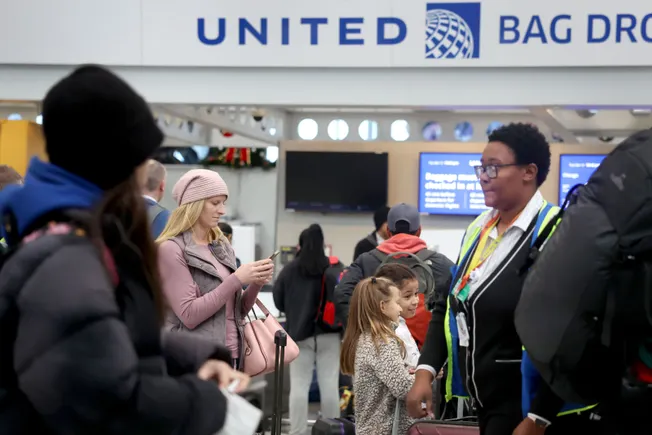
A federal judge in Colorado ruled on Wednesday that United Airlines, after learning in April 2024 of a police investigation into a pilot accused of distributing indecent images of flight attendants, failed to take measures such as suspension, termination, or internal investigation, and its retention of the pilot may constitute criminal negligence, allowing related charges by flight attendants to move forward.

The US Department of Homeland Security and Citizenship and Immigration Services on Monday announced a proposed rule to charge a fee of $103,265 for each H-1B visa application subject to the cap. This fee is independent of the $100,000 fee announced by the Trump administration last year, which has been halted by a federal judge. The new fee aims to provide dedicated revenue for the administrative costs of the legal immigration system. The public can submit comments within 30 days after the rule is officially published, and legal challenges are expected after the rule is finalized.

Jacob Grumbach, a public policy scholar at the University of California, Berkeley, recently released a report indicating that S&P 500 companies maintaining diversity, equity, and inclusion (DEI) commitments under political pressure have financial performance comparable to or better than peers that withdrew such commitments. Based on two metrics—corporate revenue and abnormal stock returns—the study contradicts the prevailing corporate logic that DEI poses legal risks.

The HR services industry is undergoing profound change: employers are no longer focused solely on service lists and flexibility, but rather on whether providers can become true business partners. This article explores how flexibility is giving way to partnerships, how professional expertise and shared responsibility are becoming the new standard, and where the industry is headed.

On August 17, the U.S. federal district court in Illinois ruled that former Amazon warehouse worker Ms. Delitz, who was fired shortly after disclosing her pregnancy, can proceed with her gender and pregnancy discrimination lawsuit under Title VII of the Civil Rights Act. The court held that the temporal proximity between the termination and the pregnancy disclosure was sufficient to support the discrimination claim.
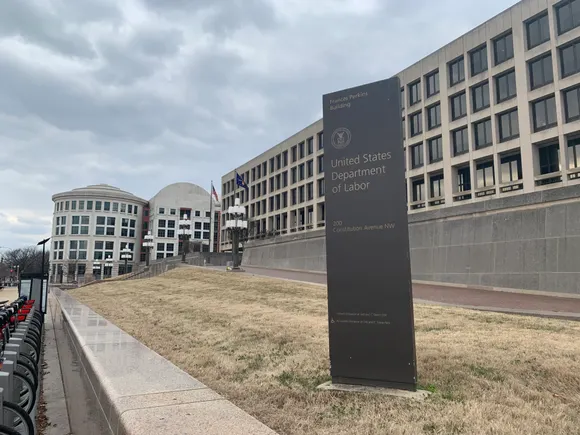
The U.S. Department of Labor issued three final rules on Friday, formally abolishing affirmative action requirements and related diversity, equity, and inclusion (DEI) provisions for federal contractors, in response to Trump's 2025 executive order. The rules target Executive Order 1965, Section 503 of the Rehabilitation Act of 1973, and the Vietnam Era Veterans' Readjustment Assistance Act of 1974, with the Section 503 rule eliminating the 7% disability employment utilization goal. The effective dates of the rules differ, but none relieve contractors of their anti-discrimination obligations under laws such as the Civil Rights Act.

LinkedIn research shows that in 2025, women will account for only 26% of new hires in AI positions, with an even lower proportion in senior roles and high educational barriers.