


Deep Dive
来自我们记者的行业洞察

As the COVID-19 pandemic enters a new phase, employers face new complexities in managing Family and Medical Leave Act (FMLA) leave and paid time off (PTO). This article synthesizes insights from three labor law experts and proposes five practical key points: clarifying standards for determining serious health conditions, paying attention to state and local concurrent leave regulations, assessing the impact of remote work on FMLA applicability, addressing intermittent leave needs arising from long COVID, and strengthening manager training to avoid compliance gaps.
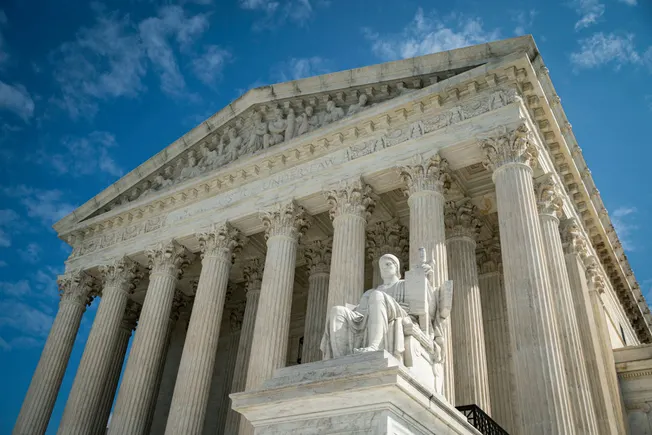
The U.S. Supreme Court heard oral arguments on October 12 in Helix Energy Solutions Group v. Hewitt, focusing on whether workers earning over $200,000 annually and paid on a daily basis qualify for the overtime exemption under the Fair Labor Standards Act. The case involves whether daily pay satisfies the salary basis test and the applicability of the highly compensated employee exemption provision in relation to relevant regulations.
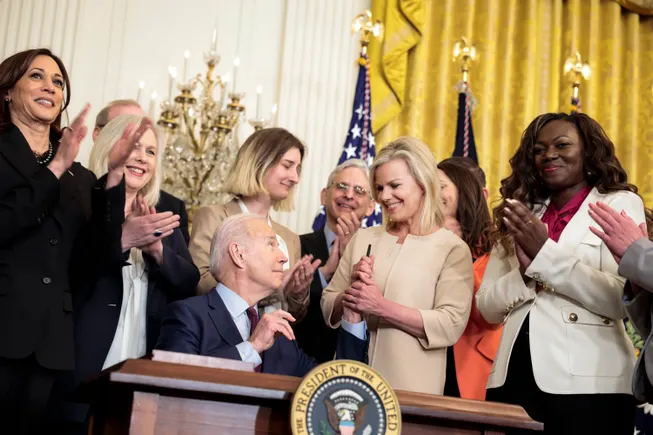
Recent legislative developments in the U.S. Congress and multiple states indicate that confidentiality agreements (NDAs) and mandatory arbitration clauses in sexual assault and sexual harassment cases are facing unprecedented restrictions. This article reviews the progress of relevant bills, corporate responses, and expert opinions.

A New York City law restricting the use of AI tools in hiring processes will take effect on January 1, 2023, requiring employers to conduct audits and notify candidates in advance before using automated decision tools. However, due to a lack of specific guidance, the compliance path is ambiguous, and experts question whether the law can effectively address algorithmic bias.

Talent challenges in the cannabis industry are bringing Learning and Development (L&D) into the spotlight. Industry executives point out that hiring no longer prioritizes consumption experience but emphasizes skill transferability and continuous training. Facing the classic 'build or buy' dilemma, leading companies are increasing investment in internal development to address the rapidly expanding talent demand.

With the holiday party season arriving, experts advise employers to provide non-alcoholic drink options for sober and "sober-curious" employees, presented in a discreet manner to avoid forcing employees to disclose their personal sobriety status. At the same time, companies should foster a culture that discourages excessive drinking and consider reducing stigma through public speaking, leadership modeling, and other means.
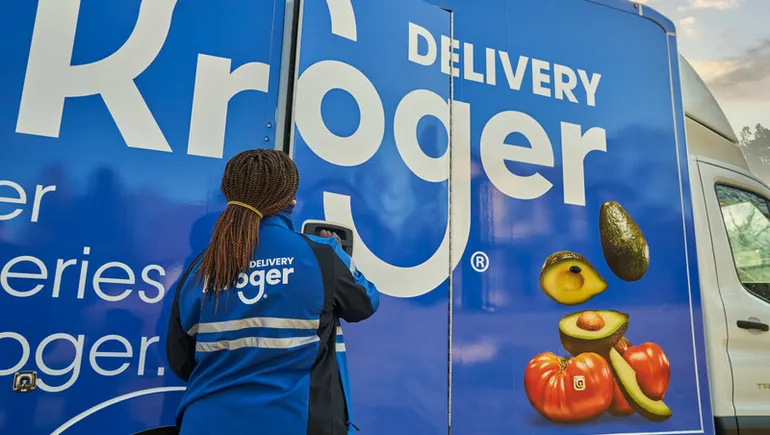
The anti-racism protests of summer 2020 catalyzed DEI progress in the grocery retail industry. Executives at companies like Kroger and Publix made public statements and launched frameworks, but employee dress code controversies exposed contradictions in practice. Beyond supplier diversity, the industry is exploring deeper changes such as employee inclusion and transparent reporting, with Walmart's ESG disclosures seen as a benchmark, while small and medium-sized enterprises still struggle due to resource constraints.

The pandemic has disrupted workplace culture, and HR teams are still working to repair it. The HR Dive 2022 survey shows that 59% of HR professionals consider culture to be the biggest challenge. This article combines insights from experts at Stash, Ally Financial, and Workhuman to analyze how HR can shape a new era of culture through management empowerment, psychological safety, flexible work, and onboarding experiences.

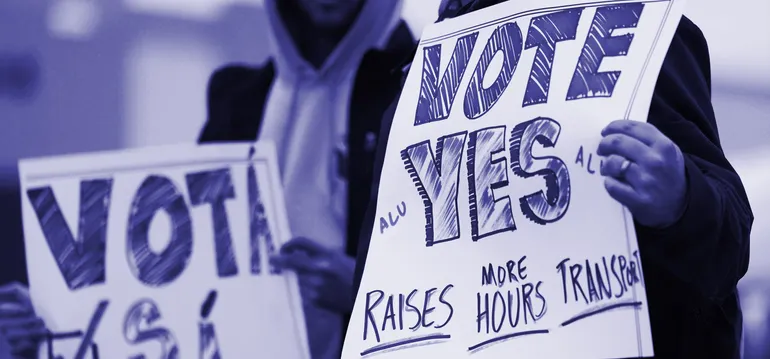
A decade ago, the collapse of the Rana Plaza building in Bangladesh prompted the retail industry to focus on labor rights, with ESG reports gradually becoming a key basis for investor assessments. However, experts point out that many US retailers' actual practices on issues such as collective bargaining contradict their ESG statements, a contradiction that has become increasingly prominent with the resurgence of the labor movement. This article examines cases such as Amazon and Target to dissect the conflict between corporate human rights commitments and anti-union positions, and explores shifts in investor and consumer attitudes.