


HR Mgmt

Gamers are eagerly awaiting Grand Theft Auto VI, set to release on Nov. 19, 2026, and this anticipation could lead to workplace challenges. According to a Zety report, 11% of workers plan to take time off or adjust schedules for the game, with younger workers and men more likely to do so. HR may see PTO requests as early as this week. While some predict productivity drops, HR should take a positive, proactive approach by accommodating time-off requests, as PTO allows employees to recharge and return with renewed energy. It's better to have a game plan than be short-staffed.

Verizon has promoted Christina Schelling to executive VP and chief people officer, while Franklin Electric appointed Luciana Amaro as CHRO. Other HR leadership changes include Monika Fahlbusch joining Ciena as CPO, Diane Neville becoming CHRO at Oak View Group, and Brian Rea taking the CHRO role at Kraton Corp.
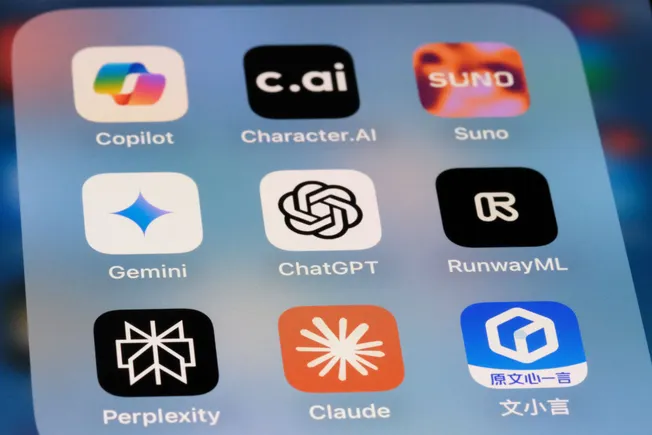
AI Splits HR into Two Archetypes: Technologist-Strategist and Compliance Operator, Draup Study Finds
A study by Draup, released Oct. 14, reveals that AI is splitting HR into two distinct archetypes: the HR technologist-strategist, who combines people analytics, SQL and Python with platform ownership and transformation governance, and the HR compliance operator, who pairs labor law and FMLA expertise with accurate platform operation. The analysis of live job descriptions across 18 HR roles from July 2025 to July 2026 found that data analytics skills are now required in every HR role, while postings for traditional administrative skills are declining. The report warns that job descriptions written for a single generalist profile risk hiring the wrong archetype. It also notes that diversity and inclusion managers now need data literacy, signaling a shift from advocacy to accountability, and that CHROs are being repositioned as transformation drivers.

HR Dive has compiled a fall reading list for HR professionals, featuring books that explore the world of work and the workplace. The list includes nonfiction titles such as Atomic Habits by James Clear, The Practice of Adaptive Leadership by Alexander Grashow, Ronald Heifetz, and Marty Linsky, and Unreasonable Hospitality by Will Guidara, as well as fiction like Klara and the Sun by Kazuo Ishiguro and Project Hail Mary by Andy Weir. Recommendations come from HR Dive’s own lists and its readers, offering something for every reader.

Dan Rust, VP of global leadership development at Infopro Learning, suggests that Gen Z's bluntness and disengagement are honest reflections of workplace culture rather than inherent problems. He contrasts 'heavy' leadership, which relies on control and surveillance, with 'light' leadership that fosters deeper personal connections. By treating employees' questions nonjudgmentally and building relationships similar to friendships, leaders can engage Gen Z and all workers more effectively.
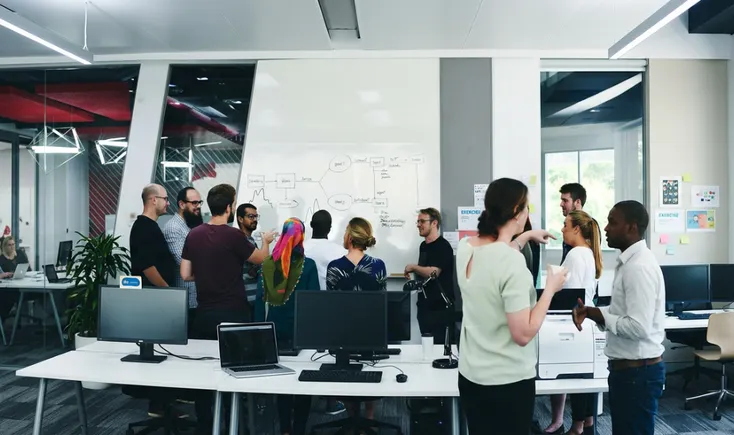
Businesses are demanding more from HR partners, and AI is enabling smarter service delivery. While automation handles routine payroll, compliance, and administrative tasks, AI can identify patterns and potential issues. However, the real opportunity lies in using technology to enhance human expertise, not replace it. By connecting systems and reducing friction, HR services become more efficient, and professionals can focus on decisions requiring context and judgment. Employers should evaluate technology based on its ability to reduce administrative work, integrate functions, and provide knowledgeable human support when needed. CoAd exemplifies this approach, combining an AI-enabled platform with human expertise to deliver more useful HR services.

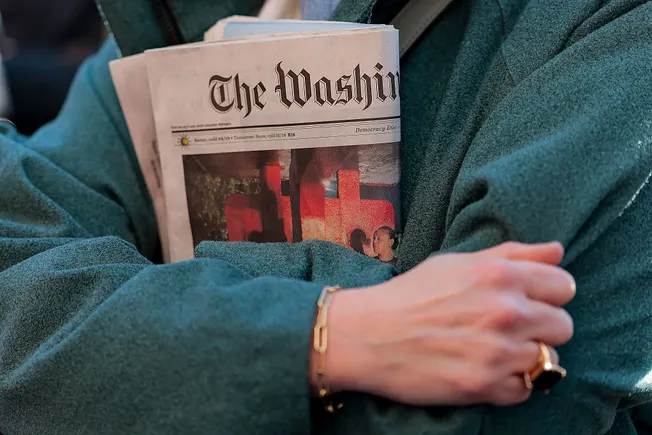
The Washington Post fired Karen Attiah, founding editor of its Global Opinions section, over social media posts; an arbitrator found the dismissal lacked sufficient justification and violated union agreements, ordering reinstatement with back pay. This case has sparked broad discussion on workplace social media policies, involving political speech, legal compliance, and the limits of corporate discretion.
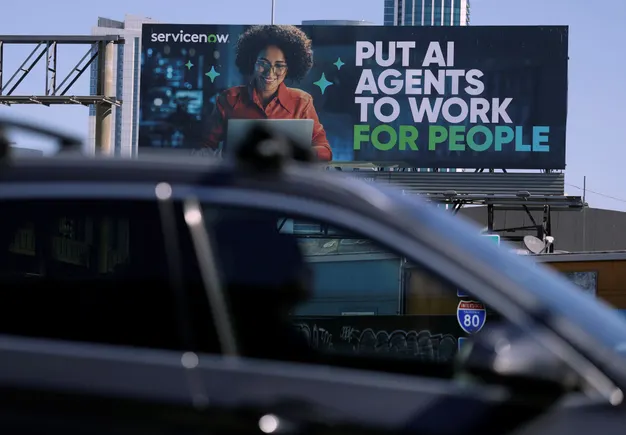
The Josh Bersin Co. report predicts that by 2030, HR department sizes may shrink by 30% to 50% due to AI agents, but the complexity of HR—with over 250 specialized roles and 400 skills—means new architectures are needed, and these architectures still require human involvement. Experts Eser Rizaoglu and Josh Bersin note that layoffs are often due to pandemic-era overhiring, not AI replacement; AI agents will take over administrative tasks, but humans must handle strategy, manage AI, maintain institutional knowledge, and address sensitive issues like bereavement leave. AI systems require continuous training, and issues such as data quality persist, so HR departments will not disappear but will transform.
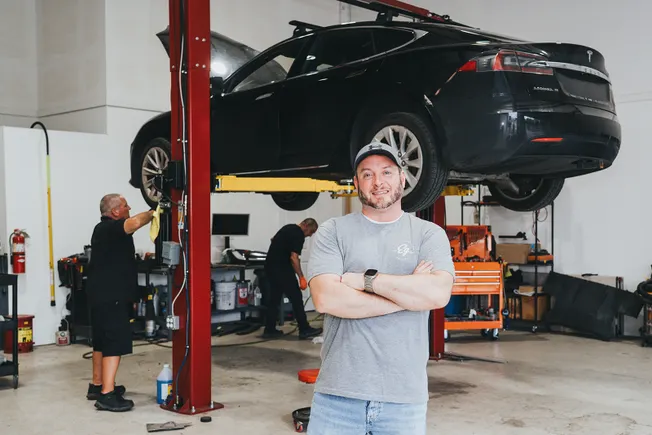
The HR services industry is undergoing profound change: employers are no longer focused solely on service lists and flexibility, but rather on whether providers can become true business partners. This article explores how flexibility is giving way to partnerships, how professional expertise and shared responsibility are becoming the new standard, and where the industry is headed.