


Latest news

The rise of AI deepfakes poses new challenges for employers investigating harassment complaints. Under Title VII, employers must promptly and thoroughly investigate claims, but deepfakes can make it difficult to distinguish fact from fiction. Recent lawsuits against employers who failed to investigate deepfake-related harassment highlight the risks. Employers should update harassment policies to address AI-generated images, clarify that false claims may lead to corrective action, and conduct forensic analyses of evidence. While deepfakes add complexity, the employer's obligation to investigate and take corrective action remains.

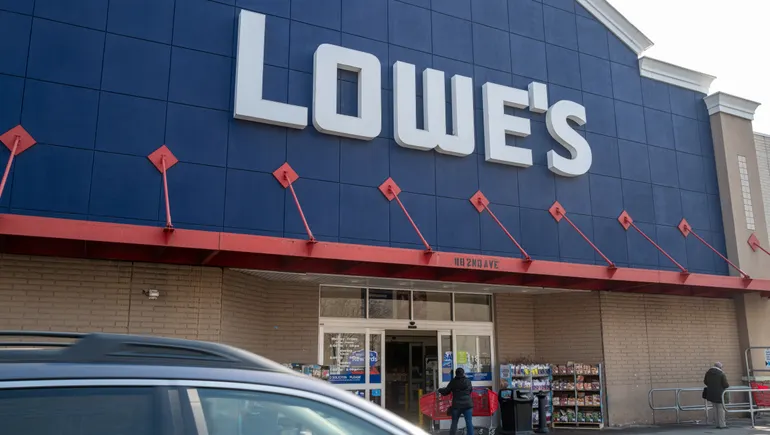
The Lowe's Foundation announced the formation of the largest cross-industry technology industry coalition in the United States, bringing together over 75 educational institutions, businesses, and organizations, with plans to train 1 million skilled workers by 2035. The coalition will focus on three key goals: changing industry perceptions, investing in training and certification, and establishing shared benchmarks, to mitigate the projected shortfall of 2.1 million skilled positions in the U.S. by 2030.

Data from the U.S. Bureau of Labor Statistics shows that August nonfarm payrolls increased by 162,000 jobs, mainly driven by the food services sector, with the unemployment rate unchanged at 4.1%. June and July data were revised upward, with July revised from a decrease of 23,000 to an increase of 21,000. Economists point out that the labor market remains fragile, with employers and workers sensitive to inflation, interest rates, and geopolitics, and hiring cycles are longer than two years ago.

WTW Senior Managing Director Tim Stawicki states that, facing an 11.1% projected increase in medical benefit costs for 2027, CFOs are actively engaging in cost management. He recommends HR and finance collaborate to control spending through optimizing vendors, anti-fraud measures, and alternative plan designs while meeting legal obligations such as minimum value plans with 60% actuarial value. This article also discusses strategies including plan adjustment timelines, spousal surcharges, and waiting periods.
Williams-Sonoma invests $10 million one-time to reward employees, EY invests $100 million to reward skill upgraders; survey shows 86% of hiring decision-makers believe personality can bridge skill gaps.
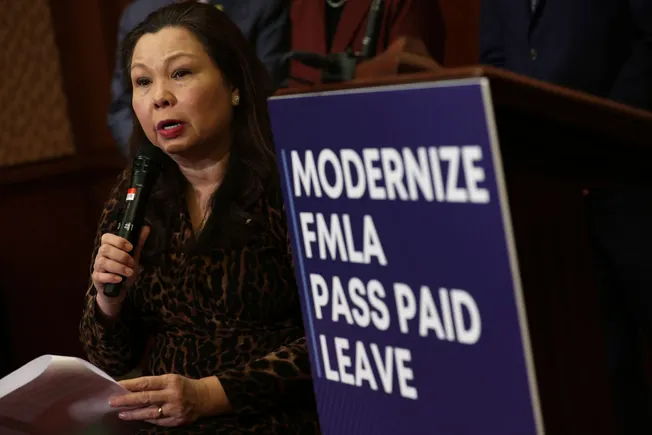
A plant manager in Northville, Michigan, brought a retaliation claim under the Family and Medical Leave Act, and the court held that the case can proceed because the company did not provide an objective reason for firing him while retaining another manager with similar duties during the reduction in force.

A compensation planning survey released by professional services firm Marsh on Monday shows that U.S. employers expect a 3.2% merit increase in base salary and a 3.5% increase in total compensation (including merit, promotions, and cost-of-living adjustments) for 2027, roughly in line with actual increases over the past three years. If the forecast holds, it would mark the fourth consecutive year of modest pay raises. The survey also found that economic uncertainty dominates compensation decisions, with nearly 60% of employers saying the economy will have at least a moderate impact; meanwhile, 64% of surveyed companies have provided or plan to provide off-cycle pay adjustments, while AI's use in compensation management remains in its early stages.

A report by Kelly Services Inc. indicates that the data center industry faces a severe shortage of skilled workers, with data center jobs expected to reach 650,000 by 2026, a 30% increase from 2023. Construction-related positions will exceed 180,000 by 2028. Employers are addressing the challenge through skills-based hiring and rapid upskilling programs.

An Adobe report found that new employees handle an average of 13 documents and spend 12 hours in their first week, but only 60% of the materials are necessary; 56% of employees retain more than half of the information. A chaotic process affects confidence and performance, with a notable lack of AI policy information.