


Latest news
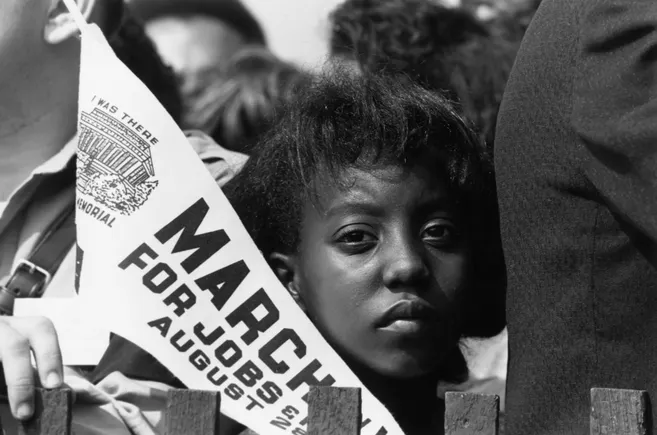
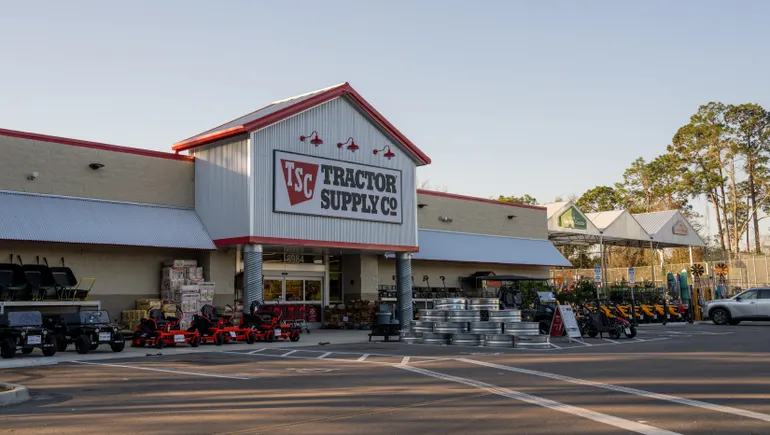
From SHRM's rebranding to Microsoft layoffs, and with companies like Tractor Supply, John Deere, and Harley-Davidson successively adjusting their DEI strategies, the summer of 2024 marked a turning point in the DEI field. This article analyzes the reasons behind the rollbacks, changes in consumer attitudes, and looks ahead to possible paths for DEI in 2025.

Since Tractor Supply adjusted its DEI practices in June 2024, several companies have scaled back related programs, but experts note that most firms still uphold DEI. Based on conference discussions, survey data, and expert opinions, this article explores the motivations for companies to maintain DEI, the impact of the anti-DEI movement, and the business risks of abandoning DEI.
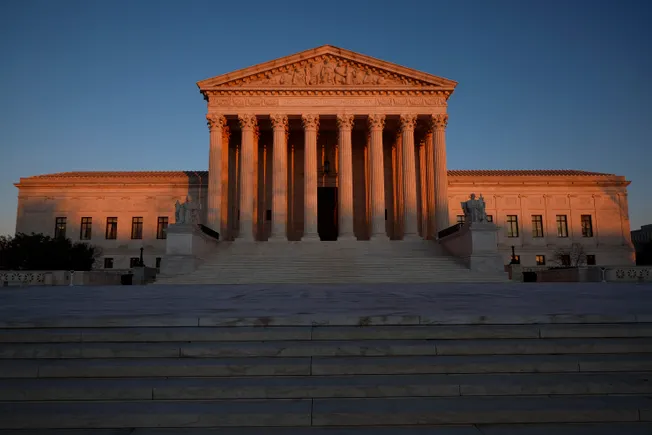
After the U.S. Supreme Court overturned Chevron deference on June 28, federal courts have begun applying the new standard to review Department of Labor regulations. On the same day, a Texas judge cited the ruling to temporarily block the Department of Labor's overtime rule from taking effect for state employees. Experts note that several Department of Labor rules may face stricter judicial review, but existing regulations remain in effect, and employers should not view the ruling as a license to violate the law.
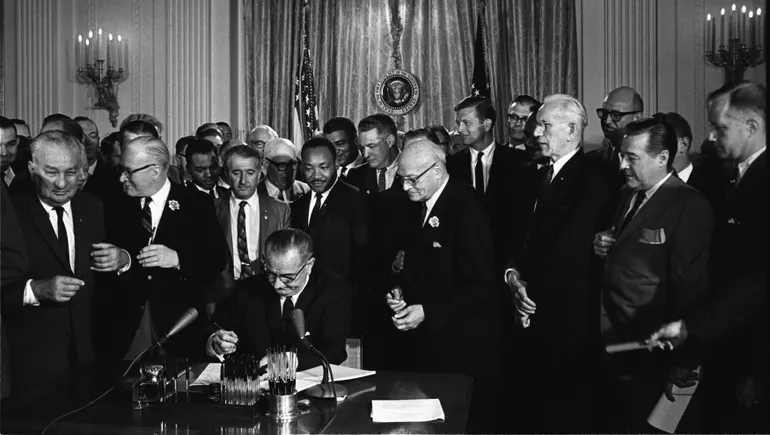
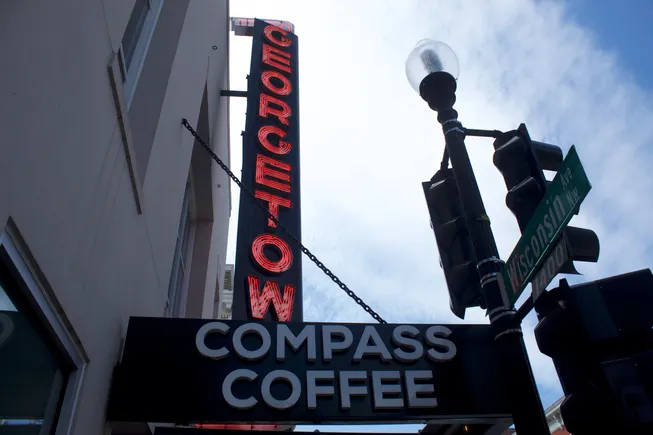
Workers at Compass Coffee launched a union organizing drive on May 31, and Workers United filed an election petition with the National Labor Relations Board on June 4. Since then, the company has been accused of mass hiring, including executives from other companies and political figures, with the union questioning whether this is intended to dilute the vote. The election is scheduled for July 16.

On the evening of May 14, two Wydown coffee shops in Washington, D.C. suddenly closed before a union election, and all employees were laid off. Employees had been organizing a union with the Workers' Union, but the store closures may end their efforts. This article details the events, employee demands, and industry context.

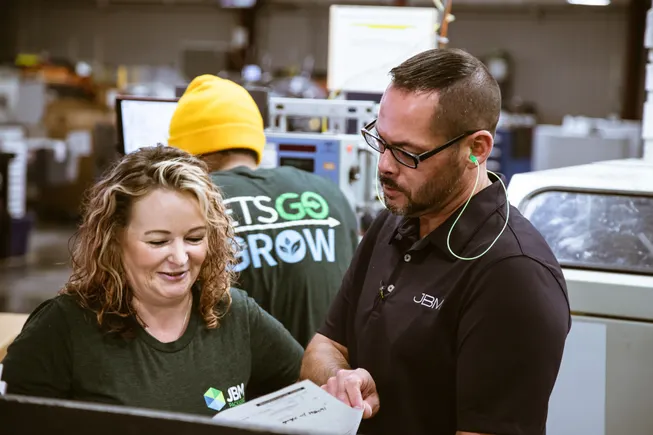
Facing persistent labor shortages, some U.S. manufacturers are turning to "fair chance" or "second-chance" hiring programs to recruit individuals with criminal records. These programs not only open new talent channels for companies but also provide employment pathways for formerly incarcerated individuals to reintegrate into society. Drawing on cases such as JBM Packaging and Indiana's HIRE program, this article explores their effectiveness, supporting measures, and multi-stakeholder collaboration experiences.