


Latest news

Tuition.io's Career Pathway Survey of 525 frontline workers in healthcare, retail, and food service found that 81% can see what it takes to move into a better-paying role at their company, and 67% are at least somewhat confident in a realistic shot at getting there. However, 96% cite barriers to committing to an education program. Key findings include: nearly 80% would be more likely to participate if tuition were paid upfront rather than reimbursed; 34% are most concerned about repaying employer-covered tuition; 30% worry about finding time outside work; and 48% trust coworkers who completed a program as the most credible source on its value. The report suggests upfront payment, clear timelines, role mapping, and peer testimonials can help employers boost participation.

At the Gartner HR Symposium/Xpo on Oct. 26, Rebecca Burton, senior principal analyst in Gartner's HR practice, outlined four trends L&D leaders should keep in mind heading into 2027. The trends include the need for a scalable reskilling process amid skills chaos and job chaos, preparing for the growing risk of critical knowledge loss, implementing AI coaching for managers carefully, and training to combat cognitive surrender. The session highlighted that demand for more L&D is increasingly coming from the top, with board directors ranking L&D-related tasks among top priorities for CHROs to get ahead of AI.
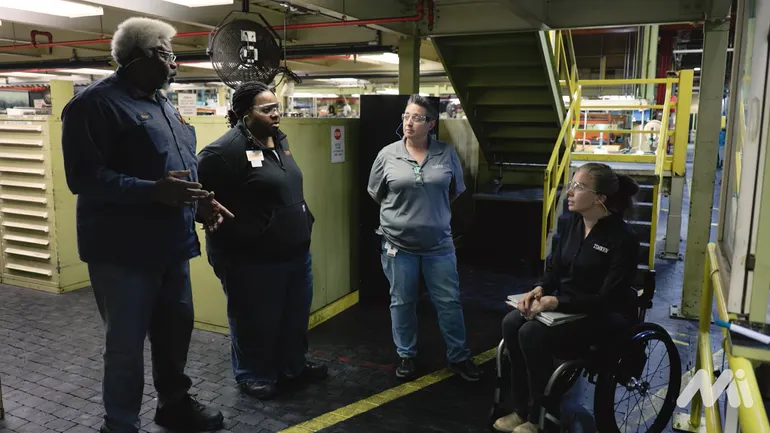
During a Manufacturing Institute webinar, experts highlighted that manufacturers are missing out on a large pool of capable workers with disabilities amid a projected workforce shortage. They emphasized that most accommodations cost little or nothing, and practices like empathetic curiosity and inclusive recruiting can help integrate these workers. Michelle Barnhart shared her journey of returning to the factory floor after a paralyzing accident, underscoring the importance of listening and self-advocacy.

Gamers are eagerly awaiting Grand Theft Auto VI, set to release on Nov. 19, 2026, and this anticipation could lead to workplace challenges. According to a Zety report, 11% of workers plan to take time off or adjust schedules for the game, with younger workers and men more likely to do so. HR may see PTO requests as early as this week. While some predict productivity drops, HR should take a positive, proactive approach by accommodating time-off requests, as PTO allows employees to recharge and return with renewed energy. It's better to have a game plan than be short-staffed.
In Bennink v. Cincinnati Bell Telephone Co., the 6th Circuit held that a former IT employee was not owed overtime because his duties met the FLSA's computer employee exemption. The court stated that DOL's primary duty guidance 'gets it right' even after Loper Bright, which ended Chevron deference. The decision is at least the second appeals court to address DOL's FLSA guidance post-Loper Bright. The court applied DOL's definition of computer employee, noting that the plaintiff's lack of formal training did not disqualify him, as the FLSA and DOL guidance do not require specific degrees or job titles. The case highlights ongoing judicial scrutiny of agency interpretations following Loper Bright.

The American Humanist Association announced that the University of Kentucky granted a religious accommodation to a humanist employee, excusing him from using AI because it violates his deeply held beliefs. The university's equal opportunity office determined that nonuse of AI posed no undue burden on the department. This case underscores an emerging compliance issue as workplace AI intersects with religious beliefs, especially following increased religious discrimination claims and the Supreme Court's 2023 Groff v. DeJoy decision, which raised the bar for showing undue hardship.

The U.S. Equal Employment Opportunity Commission (EEOC) finalized five notable settlement agreements with employers in October, as reported by HR Dive. Two cases involved sex-based harassment, including one where the agency secured $500,000 for female applicants who claimed a Texas logistics company maintained a 'male-only' hiring policy for certain roles. Another settlement addressed anti-American discrimination, a topic emphasized under EEOC Chair Andrea Lucas, involving a U.S.-based employee who alleged she was denied remote work while India-based colleagues were permitted to do so.

Employers and commercial insurers are unknowingly financing the federal 340B Drug Pricing Program through lost drug rebates. When employees receive care at 340B hospitals or clinics, manufacturers provide discounts to those providers instead of paying rebates to health plans. An IQVIA study commissioned by the Diabetes Leadership Council found that in 2025, employers and commercial insurers lost $4.8 billion in rebates for diabetes patients, paying 68% of the $7.1 billion total spread revenue for commercially insured diabetes patients. The program has grown rapidly, with discounted drug purchases rising from $53.7 billion in 2022 to $100 billion in 2025, and covered entities increasing from 1,000 in 1992 to over 53,000 in 2023. Contract pharmacy arrangements have also expanded from 1,740 in 2010 to nearly 240,000 today. The article calls for greater transparency and accountability to ensure 340B funds benefit the patients it was designed to serve.

Oyster's 2026 Global AI Talent Report analyzes approximately 15,000 job descriptions filled through its platform between 2022 and the first half of 2026, alongside a survey of over 1,000 HR and People leaders. The report finds that AI skill requirements have tripled from 5% to 15% of roles, expanding into non-technical functions like marketing, recruiting, and operations. However, most companies have not updated job titles, pay, or formal communications to reflect these new expectations. The report also highlights a global shift, with 53% of employers preferring to train existing staff and internationally recruited candidates more common among companies prioritizing external AI hiring. It concludes with practical steps for people teams to align job architecture, compensation, and hiring criteria with the changing workforce.
The U.S. Department of Labor finalized a rule on Thursday requiring pharmacy benefit managers (PBMs) to disclose detailed compensation information to self-insured employer clients, including rebates and spread payments. Effective July 2027, PBMs must share data during contract negotiations and every six months, with annual employer audits. The rule aims to lower drug costs by $22 billion over a decade and includes penalties for noncompliance. While employer groups applaud the transparency, PBMs oppose it, citing legal overreach and duplication with the Consolidated Appropriations Act of 2026. The DOL says the rule complements the CAA by providing upfront disclosures.