

Latest news

The rapid expansion of data centers in the United States has intensified the shortage of skilled workers. Contractors such as Turner Construction, Clayco, and DPR Construction shared new recruitment and retention strategies at industry events, including student loan repayment, incentives for mobile projects, and the concept of 'rehiring,' while emphasizing the importance of building local workforce pipelines.
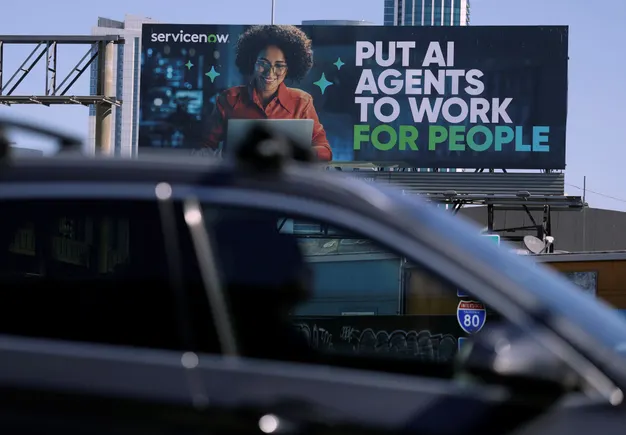
The Josh Bersin Co. report predicts that by 2030, HR department sizes may shrink by 30% to 50% due to AI agents, but the complexity of HR—with over 250 specialized roles and 400 skills—means new architectures are needed, and these architectures still require human involvement. Experts Eser Rizaoglu and Josh Bersin note that layoffs are often due to pandemic-era overhiring, not AI replacement; AI agents will take over administrative tasks, but humans must handle strategy, manage AI, maintain institutional knowledge, and address sensitive issues like bereavement leave. AI systems require continuous training, and issues such as data quality persist, so HR departments will not disappear but will transform.

Several data points in the HR field drew attention this week: Aon research predicts per-employee healthcare costs will exceed $19,000 by 2027; the U.S. Department of Homeland Security and USCIS propose a $103,265 fee per H-1B visa application; Deloitte agrees to pay $21.5 million to settle Department of Justice allegations that its DEI practices violated federal anti-discrimination laws; The New York Times requests a court to set a 20-day deadline for the EEOC to provide FOIA documents; the jury award in the Wells Fargo disability discrimination case is reduced to $18.23 million.

The U.S. Department of Labor and several other federal agencies issued joint guidance on Wednesday, responding to questions in class action litigation over tobacco surcharges in employer-sponsored group health plans. The guidance clarifies that plans or issuers are not required to retroactively provide health incentives if employees complete reasonable alternative standards, and it also addresses disclosure obligations. This guidance provides greater clarity for human resources departments in building compliant plans.

The latest annual survey by the Business Group on Health (BGH) shows that healthcare costs for large employers are expected to rise nearly 10% in 2027, with an actual increase of 8.8% in 2025, the highest on record. Employers face 'unprecedented' cost pressure and are responding by reviewing suppliers, introducing new pharmacy benefit management models, and tightening GLP-1 coverage.

Against the backdrop of AI gradually permeating school district operations, multiple district HR leaders point out that while technology can handle a large volume of transactional tasks, critical decisions must retain human judgment. This article explores AI's practical applications in personnel management, governance frameworks, and data privacy challenges through case studies of Fairfax County Public Schools in Virginia and Indianapolis Public Schools.

The latest report shows that the number of Black CFOs at major U.S. companies has fallen 25% from its 2021 peak, with the proportion of non-white executives stalling. The number of Asian and Hispanic CFOs has increased, but overall diversity progress has slowed amid policy shifts.
Deloitte reached a $21.5 million settlement with the U.S. Department of Justice to resolve allegations that its DEI programs involved discriminatory employment practices based on race and gender from January 2017 to August 2026. Deloitte denies wrongdoing but agreed to pay the penalty. The whistleblower, America First Legal, will receive $4.3 million.
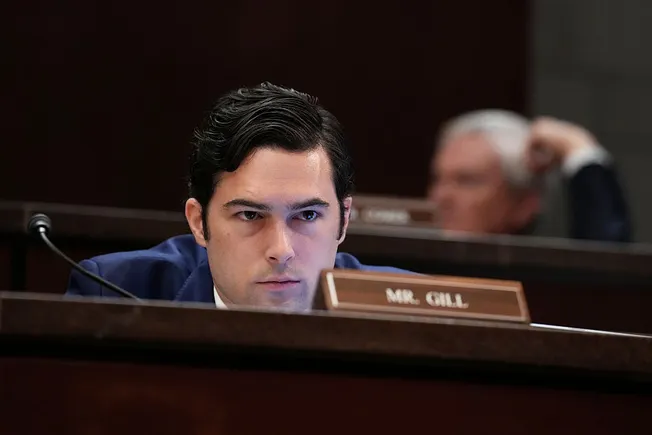
A congressional investigation working group led by Republican Congressman Brandon Gill is demanding that McKinsey & Company submit its reports and related data on diversity, equity, and inclusion (DEI). In a statement on August 17, Gill said McKinsey's DEI reports are based on 'unsubstantiated and questionable data' and may have contributed to discriminatory hiring practices. McKinsey responded by standing by its research conclusions and emphasizing that its operations in the United States and other markets have always been legal and compliant.