


Latest news
The U.S. Court of Appeals for the Fourth Circuit ruled on Monday that the federal district court erred in handling a religious discrimination lawsuit brought by an Essity employee who cited the Bible in refusing the COVID-19 vaccine. The court determined that the employee's objection was religious in nature and that a jury could find the refusal was motivated by mixed reasons. The case is remanded for further proceedings to determine whether Essity's undue hardship defense holds.
The EEOC held a hearing on August 11 regarding the elimination of annual demographic reporting requirements, and the proposal has not yet been finalized. Catalyst CEO Jennifer McCollum and Vice President of Research Laurie Henneborn co-authored an article stating that workforce data is not only a compliance tool but also a key driver of talent decisions and business performance. They cite research showing that organizations using HR metrics to address inequality are more likely to gain advantages in customer loyalty, talent attraction, and employee engagement, and they recommend that companies continue systematically analyzing data even if the legal environment changes.
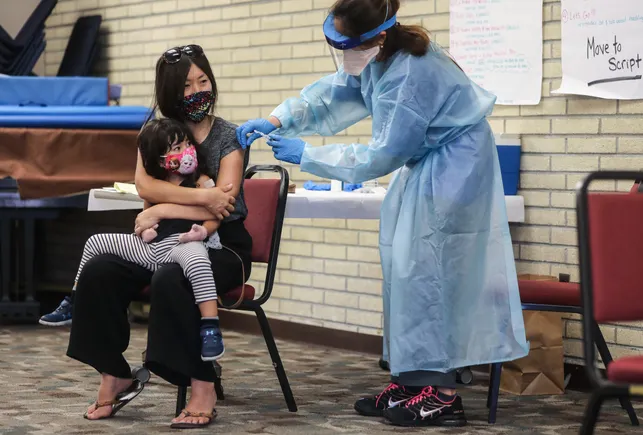
A study led by Sacred Heart University professor Jeanine Andreassi shows that flexible scheduling is the most important policy factor influencing whether working mothers continue full-time work after childbirth or adoption, while location flexibility (such as remote work) is far less predictive than time flexibility.

NFP's annual survey of 273 executive benefits decision-makers shows that despite heightened economic uncertainty, most companies maintain their current executive benefits plans. Mentions of economic factors in decision-making rose 50% year-over-year, but only 18% ranked them as the primary factor. Talent retention and succession planning continue to dominate decisions, while cybersecurity and AI risks have emerged as new concerns.
A BambooHR survey reveals that employees use AI for about 1.5 hours per day on average, with nearly half of that time (approximately 20 days per year) spent troubleshooting AI errors or adjusting prompts. Despite such inefficiencies, 65% of employees still feel confident and enthusiastic about AI. The survey also found that executives use AI about twice as much as regular employees, and that AI is transforming knowledge transfer and interpersonal collaboration in the workplace.
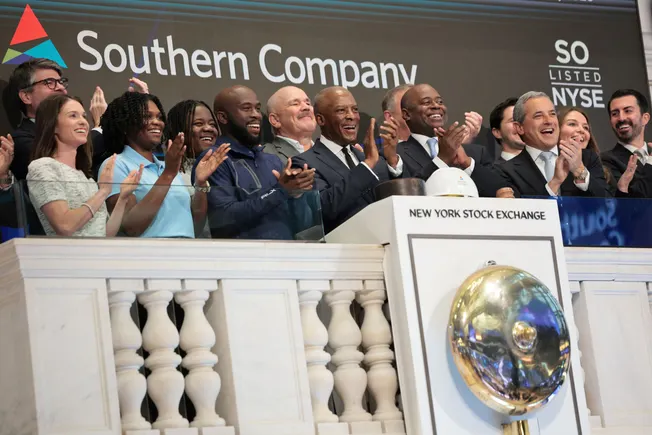
A former Southern Company Services employee, terminated shortly after turning 60, has filed a lawsuit alleging age discrimination and interference with Family and Medical Leave Act rights. The complaint states that supervisors made ageist remarks, HR took no action, and the company terminated the employee the day after approving leave.
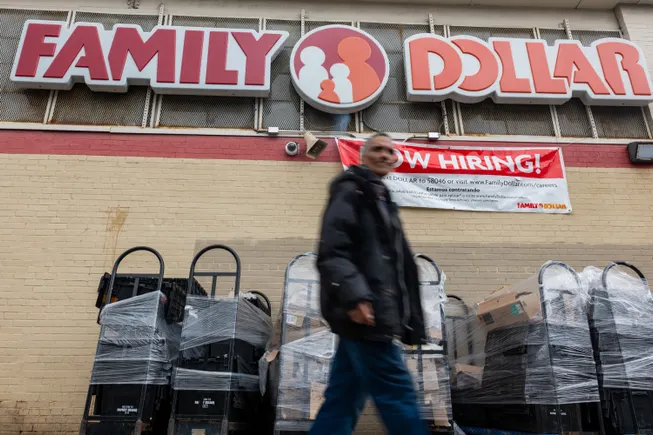
The U.S. Equal Employment Opportunity Commission (EEOC) on Monday accused Family Dollar Stores of North Carolina of discriminating against a pregnant employee. The employee was terminated for requesting leave on New Year's Eve 2024 but being unable to provide a doctor's note immediately. The EEOC stated that under the Pregnant Workers Fairness Act (PWFA), employers must consider the reasonableness of requests for medical documentation.

EY in the United States announced it will invest $100 million to reward employees who cultivate 'future-ready' skills, drive company culture, foster innovation, and deliver exceptional client service. This initiative is part of the firm's multi-billion-dollar talent strategy, designed to address industry changes and enhance the appeal of the accounting profession.
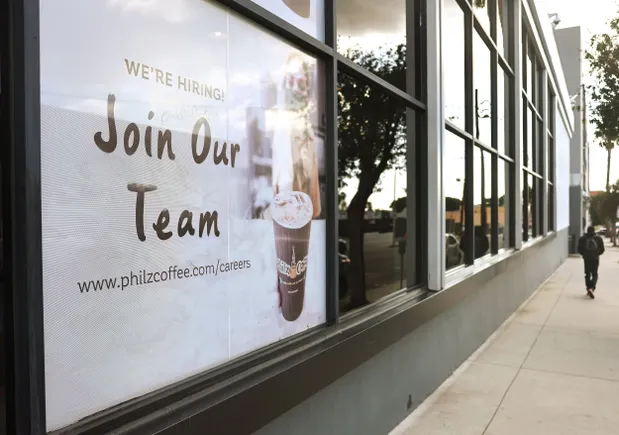
According to survey results released Wednesday by Express Employment Professionals and The Harris Poll, personality may be as important as or even more important than skills in hiring. Of more than 1,000 U.S. hiring decision-makers, 86% said the right personality can make up for skill gaps. Hiring managers and job seekers agree that reliability, honesty, adaptability, flexibility, and self-motivation are the most valued traits.

As the Labor Day weekend approaches, our editorial team shares a batch of songs about work, from Dolly Parton to Beyoncé, from union anthems to K-pop hits. These works either honor the dignity of labor, poke fun at workplace stress, or advocate for a work-life balance.