


Latest news

Labor shortages are forcing food retailers to rethink their operational models, accelerating the application of automation technologies. From self-checkout to smart shopping carts, retailers are enhancing efficiency while also weighing the role of human employees and customer experience.

This article outlines seven trends in human resources in 2022: flexibility becomes a key word, employers independently set vaccine policies, telemedicine and employee well-being gain attention, performance evaluations move toward continuous and informal approaches, microlearning and on-demand learning rise, parental leave and pay transparency become DEI focal points, and union movements heat up.

In 2022, the field of total compensation and benefits faces five major trends: the Great Resignation continues to drive compensation adjustments; deferred healthcare raises health costs; family care needs come to the forefront; mental health programs evolve rapidly; and long-term return on investment remains to be validated.

In recent years, multiple companies have announced a shift to a four-day workweek. The pandemic has accelerated this trend, but implementation requires careful planning. Through case studies of two companies, this article explores key issues such as preparation for the four-day workweek, mindset shifts, talent attraction, and employee satisfaction.
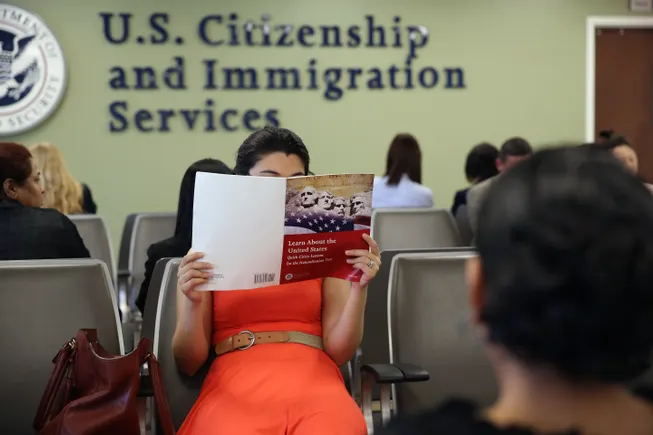
Bloomberg's latest report shows that H-1B visa applications have declined for the second consecutive year, but interviewed experts point out that demand remains strong, with the decline mainly attributed to pandemic-induced disruptions in consular services and administrative backlogs.

The way layoff notices are delivered directly affects corporate image and employee sentiment. This article, drawing on the Better.com layoff incident, outlines practical guidelines that HR and managers should follow across dimensions such as meeting scale, timing, and communication transparency.

During the pandemic, the scope of HR responsibilities expanded, and now the HR job market is exceptionally hot. Indeed data shows that from early February 2020 to the end of September 2021, HR job postings increased by about 87%. Industry experts point out that HR is becoming an organizational connector, with skill requirements expanding into areas such as data analysis and project management.