


Latest news
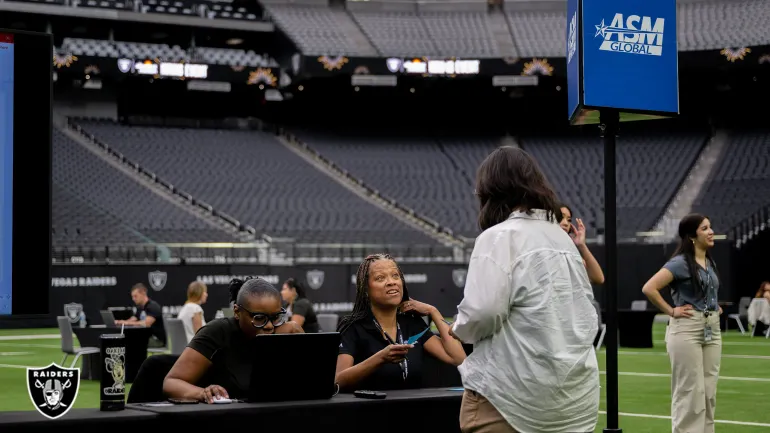
The National Football League (NFL) launched a fair hiring initiative on the eve of the draft, urging employers to evaluate candidates based on skills and potential rather than criminal records. Data shows that approximately 6.9 million people in the United States are under criminal justice supervision, with about 600,000 returning to society each year, but stable employment can significantly reduce recidivism rates.

HR departments are quietly incorporating AI into compensation-setting processes. A Korn Ferry survey from February 2026 shows an increase in related trials, but 57% of respondents have not yet started. Experts emphasize that AI is currently used more to assist with data integration and analysis rather than to directly determine compensation figures; data quality, legal risks, and human oversight are the main challenges.
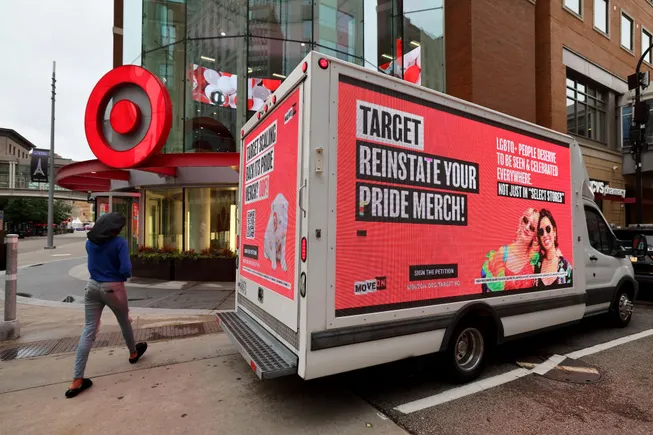
Over the past five years, the corporate DEI landscape has undergone dramatic upheaval: from an influx of funding and the proliferation of anti-racism training, to a wave of corporate retreats under Trump administration executive orders. Even within legal compliance frameworks, employers still face a branding dilemma—public commitments may invite political pressure, while silence may weaken their appeal to talent. This article combines the Target boycott incident with Costco's contrarian stance of persistence to explore the evolving role of DEI in employer branding, citing diverse perspectives from legal experts, advocacy organizations, and corporate executives.
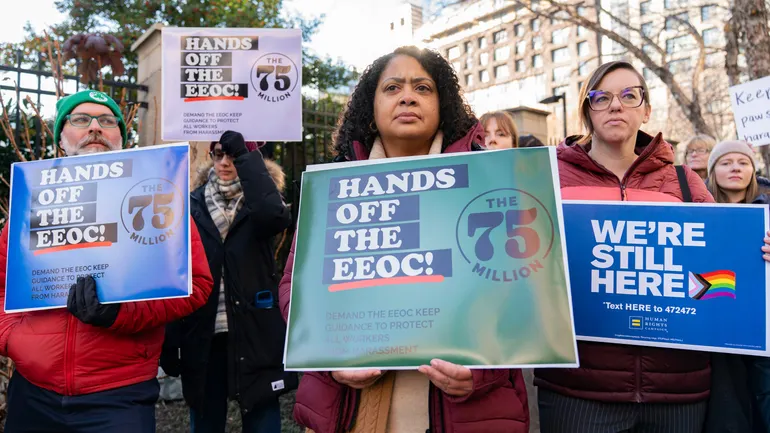
A group of former EEOC and Department of Labor officials has formed EEO Leaders, a volunteer organization acting as a 'shadow' EEOC. The group emerged after the EEOC moved to dismiss pending gender identity bias lawsuits and rolled back Biden-era policies. EEO Leaders issues statements, provides guidance to employers, and maintains a repository of removed documents to counter what it sees as the agency's departure from precedent.

In early 2026, U.S. immigration enforcement actions accelerated, putting pressure on employers through ICE raids, new H-1B visa rules, and increased I-9 audits. Lawyers note that the scale and speed of enforcement have exceeded expectations, urging companies to strengthen compliance readiness while addressing risks of employee panic and talent shortages.

In today's era where hybrid work has become the norm, commuting issues are troubling both companies and employees. A report from commercial real estate firm CBRE indicates that 87% of organizations believe current office attendance conditions pose challenges. A HealthEquity survey shows that commuting costs are the primary obstacle preventing employees from returning to the office more frequently. As a result, an increasing number of companies are adopting carpooling as an employee benefit. Data from Commute with Enterprise, the largest carpool service provider in the United States, shows that carpool users save an average of $10,000 annually on commuting expenses. Stanford Research Park has implemented a carpool program since 2016, saving participants a cumulative $1.8 million in 2024, while effectively alleviating traffic congestion and parking pressure.
As the longest federal government shutdown in U.S. history ended on November 12, the Equal Employment Opportunity Commission (EEOC) resumed operations and regained a quorum, ushering in a new era under the second Trump administration. Multiple labor lawyers noted that the EEOC is discarding old anti-discrimination enforcement strategies, shifting toward reducing systemic litigation, intensifying scrutiny of DEI programs, and gender identity discrimination cases, urging employers to closely monitor and proactively adjust policies.

The U.S. labor market may face a leadership crisis: recent research shows that more people are unwilling to take on supervisory roles. A survey by Express Employment Professionals found that over half of surveyed managers have left or plan to leave due to a lack of fulfillment or promotion opportunities, and most Gen Z individuals prefer to develop personal expertise rather than manage colleagues. This trend is called 'conscious unbossing,' and HR needs to adjust strategies, broaden the definition of career growth, and improve support for managers.
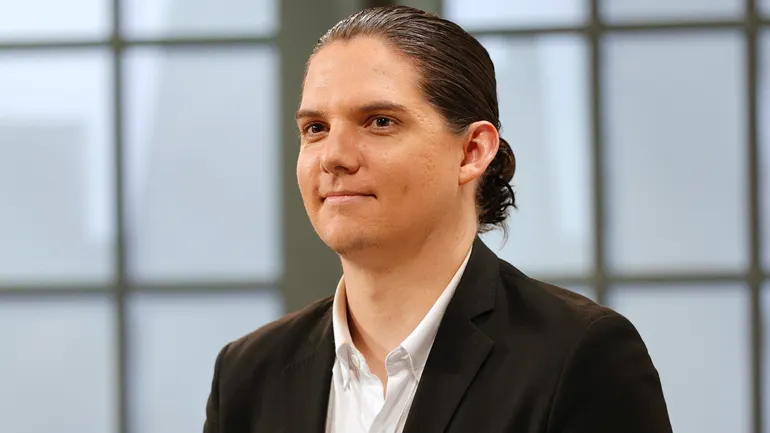
SHRM invited Robby Starbuck, a conservative figure who has pushed multiple Fortune 500 companies to dismantle DEI programs, to serve as a panelist at its upcoming Blueprint conference, drawing widespread criticism from HR professionals and DEI advocates. Multiple stakeholders stated that this move legitimizes extreme views, creates a false equivalence, and may damage SHRM's credibility in the field of inclusivity. SHRM's president emphasized that diversity of viewpoints is an important dimension of workplace diversity and committed to maintaining a balanced dialogue.

Halfway through 2025, the human resources field faces a wave of layoffs, adjustments to DEI programs, and challenges in AI adoption. This article reviews the current state of the industry, exploring how HR balances cost reduction, employee experience, and technological innovation.