

Latest news
Over the past decade, the workplace has undergone dramatic changes, with enterprises facing multiple pressures including labor shortages, compliance evolution, cross-state employment, rising benefit costs, and rapid technological iteration. Although the one-stop services provided by traditional Professional Employer Organizations (PEOs) still hold value, more and more employers are beginning to ask: do the solutions truly fit their own operational methods? Flexibility is becoming a key factor in procurement decisions. From retaining existing benefit plans to supplementing specialized services such as risk control, SUTA management, or instant wage access, enterprises want to combine services on demand rather than accept bundled offerings. This trend is reshaping next-generation PEO products—for example, CoAd, launched after the merger of PrimePay and CoAdvantage, advocates building workforce solutions on demand.

For years, employers have responded to employee needs by continuously adding benefit programs, but the more benefits there are, the more fragmented the healthcare experience becomes. Faced with numerous entry points, employees often struggle to answer basic questions. Elevance Health proposes that the next step is not to add more programs, but to create a clear, coherent, and easy-to-use healthcare experience that enables employees to confidently use existing resources.

On August 4, the U.S. Court of Appeals for the Fourth Circuit ruled that employers are not necessarily required to allow employees to first correct authenticity issues with FMLA certification before contacting the medical provider. The ruling reversed a lower court's decision in favor of the employee and remanded the case for further proceedings.

Resume Now's analysis of O*NET data reveals 10 core cognitive skills that AI cannot replace, with oral comprehension and expression ranking at the top. Experts point out that these 'durable skills' are in high demand across industries, and multiple studies emphasize the dominant role of human intelligence in AI applications.
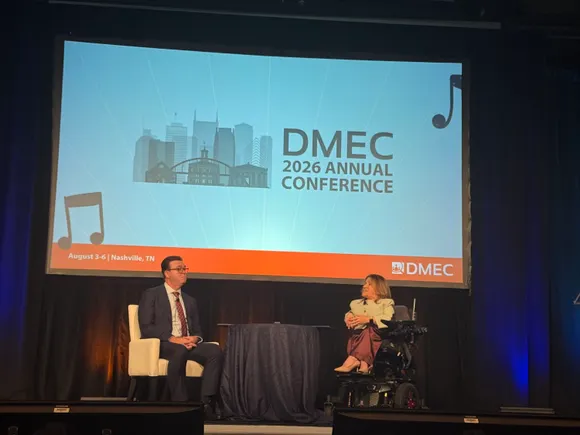
Julie Hocker, Assistant Secretary of the U.S. Department of Labor for Disability Employment Policy, stated at the 2026 Disability Management Employer Coalition Annual Conference in Nashville that successful return-to-work programs should feature three key characteristics: 'early, coordinated, and continuous.' She cited data showing that the probability of an employee returning to work after 12 weeks of absence is about 50%, and declines significantly thereafter. Hocker believes that work itself is part of recovery, and employers should proactively build pathways for return. DMEC CEO Bryon Bass noted that only about 40% of employers have formal workplace support programs, a 7-percentage-point decrease from two years ago, which is concerning.

The latest research from The Conference Board indicates that while enterprises are enhancing employees' AI skills, training is mostly at a basic level, making it difficult to address the thorough transformation of work methods brought by AI. The survey shows that only one-third of employees have received AI training provided by employers, and the content is mostly AI literacy and basic prompting, while advanced skills such as managing AI agents are overlooked. Experts suggest that enterprises should focus on high-impact training and strengthen the supportive role of managers.

Early-career employees hesitate to ask questions for fear of exposing ignorance, and a culture that rewards quick answers over exploration exacerbates the issue. This article explores how to reshape the workplace so that curiosity no longer carries career risk.
Scaling back DEI initiatives may backfire: recent EEOC settlement cases indicate that sex discrimination and retaliation remain enforcement priorities, and compliance obligations have not changed. Drawing on case examples and expert research, this article proposes eight best practices based on EEOC guidance to help HR leaders build fair workplaces and avoid both legal and talent risks.
AI tools are already widely used, but corporate leaders, especially frontline managers, may not be fully prepared to adapt to technological change. A ManpowerGroup Talent Solutions survey shows that only 3% of leaders are 'highly ready' to lead AI adoption, and 17% of organizations have 'advanced' or 'transformational' readiness for AI workflows. Forrester analysis points out that many employees are completely unable to use AI, and the responsibility may lie with employers. Other research indicates that without empowered managers, broader organizational learning may not be achievable. Managers need communication and adaptability skills beyond technology to truly succeed.

Research released by the American Management Association (AMA) on July 14 indicates that employees actively seek career growth, but managers often lack the supporting tools, creating a key gap in talent development. The survey shows that only a few managers are considered effective, most employees lack frequent support, and skill improvement opportunities are limited. Experts suggest that companies need to redefine the manager role and strengthen their function in talent cultivation.