


Deep Dive
来自我们记者的行业洞察
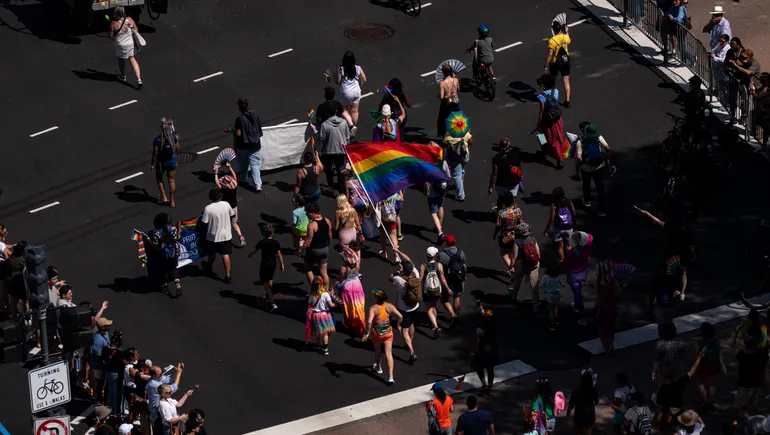
As the U.S. political climate shifts and some companies scale back DEI commitments, corporate sponsorship during Pride Month 2025 has shown clear divergence. WorldPride was held in Washington, D.C., with some companies maintaining sponsorship while others retreated due to economic or political pressure. Organizers of Pride events in New York and Atlanta have observed changes in sponsor numbers and worry about future participation. Experts note that corporate involvement in Pride Month is not just a branding exercise but also relates to workplace support and well-being for LGBTQ+ employees.

Although federal immigration authorities' enforcement activities may be gradually intensifying, employer-side immigration lawyers told HR Dive that the slow pace has not changed the need for employers to remain cautious.

Five years ago, the World Health Organization declared COVID-19 a global pandemic, fundamentally transforming the workplace landscape. This article reviews how the pandemic drove the normalization of remote work, catalyzed virtual I-9 verification mechanisms, and triggered a surge in religious accommodation requests, profoundly reshaping the underlying logic of human resource management.

In recent years, DEI programs have faced multiple pressures from politics, law, and public opinion, leading some companies to scale back related initiatives. However, experts point out that this instead provides companies with an opportunity to reflect on and optimize DEI strategies, making them more aligned with business goals and reducing legal risks. Most companies have not abandoned DEI but are seeking more sustainable paths.
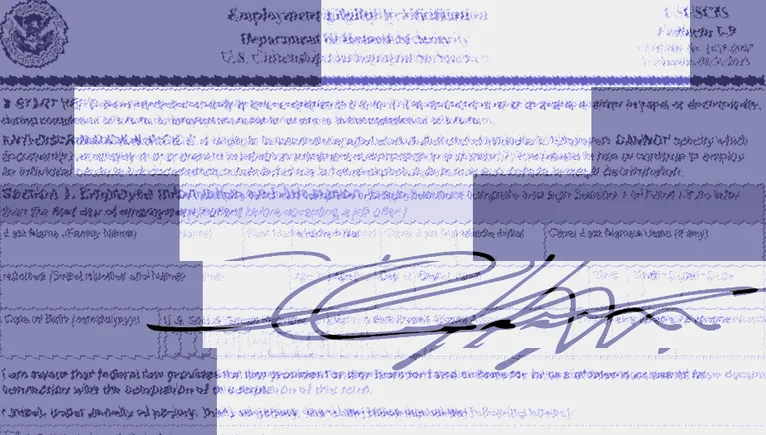
With the Trump administration intensifying immigration enforcement, employers not only face workplace raids but also need to be wary of compliance risks arising from improper handling of electronic I-9 forms. Experts point out that many electronic I-9 systems have issues such as pre-filled information and non-compliant electronic signatures, which may trigger hefty fines. This article reviews relevant regulations, cases, and expert advice to help HR teams prevent these issues in advance.

In 2025, diversity, equity, and inclusion (DEI) issues continue to intensify due to shareholder proposal battles and at least five executive orders from the Trump administration. From John Deere to McDonald's, Apple, Meta, and Costco, companies are facing multiple tests of compliance pressure, consumer backlash, and internal opinion divisions. This article reviews key cases and expert perspectives, exploring strategies for private employers in a turbulent environment.
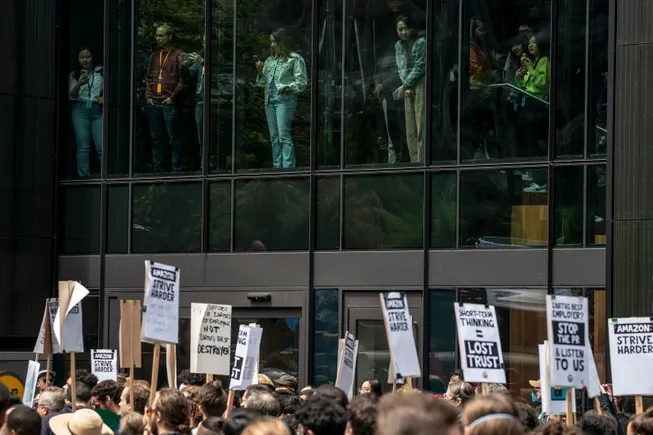
As the 2020s reach their midpoint, the human resources industry is shifting from crisis response to long-term planning. In 2025, AI will be deeply integrated into recruitment and employee services, skills training will be enhanced by technology, global talent mobility will accelerate, employees will need more support to navigate change, and remote work flexibility, though challenged, will not disappear. This article synthesizes insights from multiple experts to provide trend observations for HR practitioners.
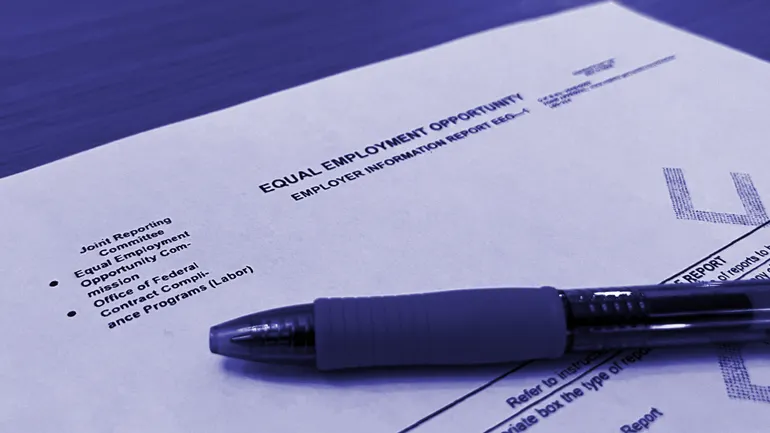
The U.S. Equal Employment Opportunity Commission (EEOC) is considering a new round of employer pay data collection. The previously released 2017-2018 EEO-1 Component 2 data confirmed the existence of gender and ethnic pay gaps. Experts note that the new round may shift to individual-level data to reduce employer burden and benefit from the momentum of multiple state pay transparency laws.
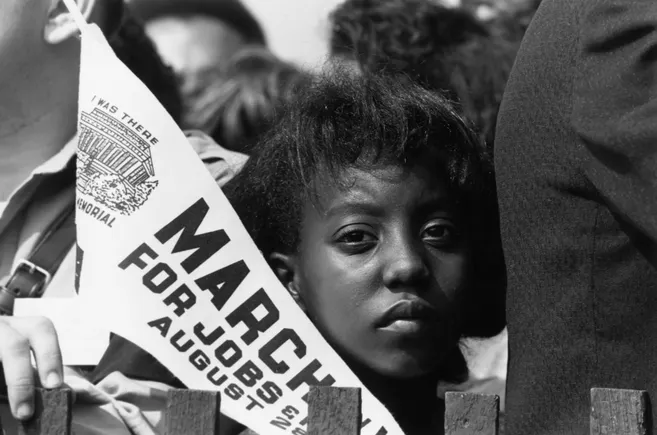
From SHRM's rebranding to Microsoft layoffs, and with companies like Tractor Supply, John Deere, and Harley-Davidson successively adjusting their DEI strategies, the summer of 2024 marked a turning point in the DEI field. This article analyzes the reasons behind the rollbacks, changes in consumer attitudes, and looks ahead to possible paths for DEI in 2025.

Since Tractor Supply adjusted its DEI practices in June 2024, several companies have scaled back related programs, but experts note that most firms still uphold DEI. Based on conference discussions, survey data, and expert opinions, this article explores the motivations for companies to maintain DEI, the impact of the anti-DEI movement, and the business risks of abandoning DEI.