


Diversity & Inclusion
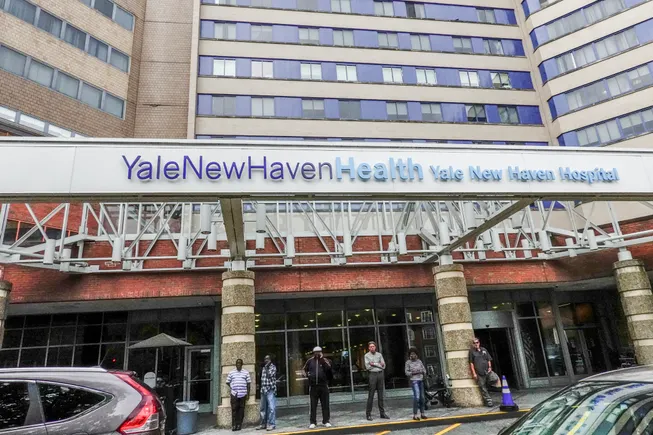
A U.S. Equal Employment Opportunity Commission lawsuit against Yale New Haven Hospital will proceed to trial, a federal judge ruled Friday. The EEOC alleges the hospital's Late Career Practitioner Policy, which mandates ophthalmic and neuropsychological testing for physicians and practitioners aged 70 and older seeking clinical privileges, discriminates based on age in violation of the Age Discrimination in Employment Act and the Americans with Disabilities Act. The hospital maintains the policy ensures patient safety. The court found factual questions exist as to whether age is a legitimate proxy for safety-related job qualifications. The case highlights broader issues of age discrimination in the workplace, including hiring biases and recent litigation such as Mobley v. Workday.
U.S. District Judge Adam Abelson declined to block President Trump's March executive order that threatens federal contracts over DEI efforts. The order prohibits 'disparate treatment based on race or ethnicity,' which the judge interpreted as intentional discrimination already prohibited by federal law. Higher education groups sued, arguing the order was overly broad and violated their constitutional rights, but the judge found they were unlikely to succeed. The ruling provides clarity for contractors, though the plaintiffs may still challenge specific enforcement actions.
National origin bias enforcement is changing under President Donald Trump's second administration. The EEOC has shifted its focus from protecting immigrant workers to combating anti-American bias, as evidenced by recent lawsuits and policy statements. This article reviews the evolution of EEOC priorities and the implications for employers.

Women’s representation on Russell 3000 boards fell to 29.2% in Q2, down from 30.1% a year earlier, according to 50/50 Women on Boards. The decline follows a drop from 30.4% in Q1 last year to 29.9% in Q1 this year. Only 13.8% of newly appointed women replaced men, and CEO Heather Spilsbury calls the findings “a call to action,” stressing that merit is the standard but access is the issue. HR can help by providing tools and mentorship, as surveys show many women feel unsupported.

The U.S. Equal Employment Opportunity Commission (EEOC) announced that New York City-based Hungry Ghost Coffee will pay $22,500 to settle a lawsuit alleging violations of Title VII of the Civil Rights Act of 1964. According to the complaint, a Muslim barista requested not to be scheduled for his regular 2-8 p.m. shift during Ramadan to accommodate his religious fasting, but his manager scheduled him for two such shifts, refused a shift swap, and fired him. The settlement includes a two-year consent decree requiring annual training on federal anti-discrimination laws, with emphasis on religious discrimination protections. EEOC Regional Attorney Kimberly Cruz stated the agency remains steadfast in protecting against religious discrimination. The case follows EEOC's heightened enforcement of religious liberty protections under its National Enforcement Plan.

Amid discussions of layoffs and shelved DEI initiatives, experts point out that DEI is not dead but requires revival and transformation. This article interviews two practitioners, analyzes the reasons for the decline in the DEI outlook in 2023, and proposes solutions centered on trust and re-examining the business case.

The latest report shows that the number of Black CFOs at major U.S. companies has fallen 25% from its 2021 peak, with the proportion of non-white executives stalling. The number of Asian and Hispanic CFOs has increased, but overall diversity progress has slowed amid policy shifts.
Deloitte reached a $21.5 million settlement with the U.S. Department of Justice to resolve allegations that its DEI programs involved discriminatory employment practices based on race and gender from January 2017 to August 2026. Deloitte denies wrongdoing but agreed to pay the penalty. The whistleblower, America First Legal, will receive $4.3 million.
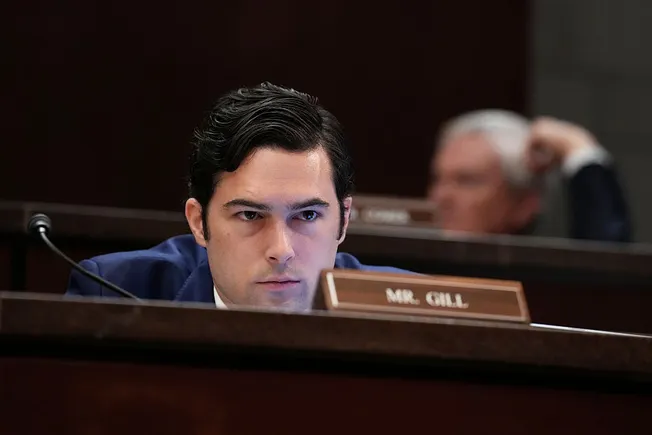
A congressional investigation working group led by Republican Congressman Brandon Gill is demanding that McKinsey & Company submit its reports and related data on diversity, equity, and inclusion (DEI). In a statement on August 17, Gill said McKinsey's DEI reports are based on 'unsubstantiated and questionable data' and may have contributed to discriminatory hiring practices. McKinsey responded by standing by its research conclusions and emphasizing that its operations in the United States and other markets have always been legal and compliant.

LinkedIn research shows that in 2025, women will account for only 26% of new hires in AI positions, with an even lower proportion in senior roles and high educational barriers.