


Talent
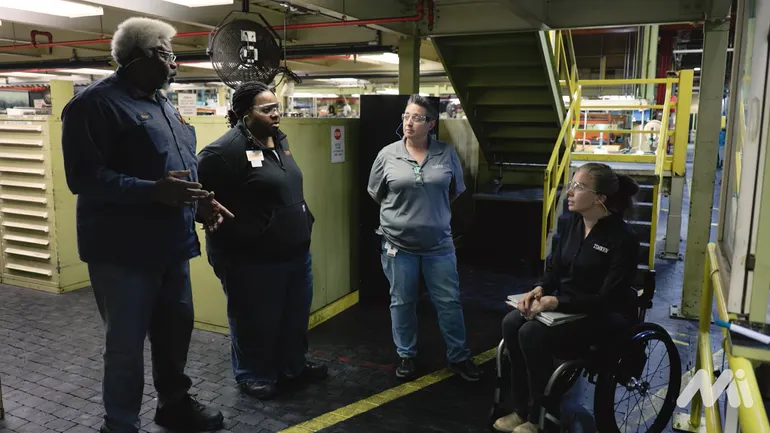
During a Manufacturing Institute webinar, experts highlighted that manufacturers are missing out on a large pool of capable workers with disabilities amid a projected workforce shortage. They emphasized that most accommodations cost little or nothing, and practices like empathetic curiosity and inclusive recruiting can help integrate these workers. Michelle Barnhart shared her journey of returning to the factory floor after a paralyzing accident, underscoring the importance of listening and self-advocacy.

A federal judge in the Eastern District of New York granted summary judgment to an employer on Title VII claims, finding that a White employee allegedly referred to as 'Karen' did not show an adverse action. The week's most-clicked story also highlighted a 4.7% cost of living increase in 2024, a rise in ghosting complaints among job seekers, and a finding that heavy AI users have workdays up to 90 minutes longer than nonusers.

Gap Inc. has introduced Bridgette, an AI-enabled career guide tool built with Paradox and Workday Recruiting technology, to help job seekers find and apply for jobs, answer FAQs, schedule interviews, and send reminders. The tool has been piloted at over 100 stores and six regional distribution centers since June, with nearly 45,000 users and over 7,000 interviews scheduled. Gap Inc. expects around 200,000 seasonal applications and aims to reduce administrative burdens on store managers. The company is hiring for seasonal full-time and part-time positions at stores and distribution centers. This comes as U.S. retail seasonal hiring may decline, with Challenger, Gray & Christmas predicting a 2.5% drop to about 450,000 new jobs, while the National Retail Federation expects 325,000 to 375,000 seasonal hires. Gap Inc. also uses AI for product discovery, including Alta Daily and Daydream tools. In Q2, Gap Inc.'s net sales fell 2% to $3.7 billion, with mixed brand performance.
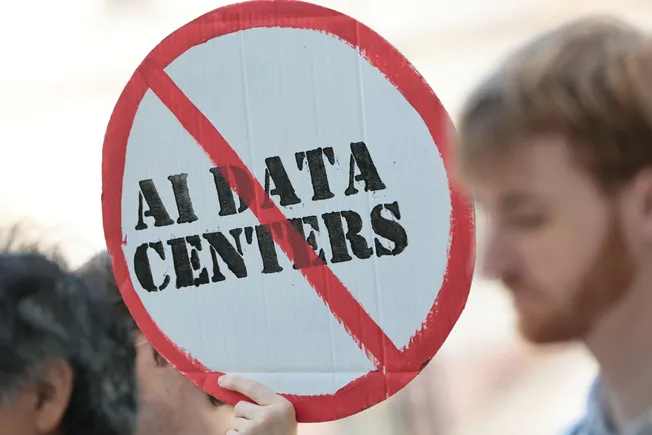
A new Dayforce report finds that employees are wary of AI's impact on work, with 40% expecting more tasks if AI saves time and 39% predicting slower hiring or reduced headcount. Workers hope employers will use AI-saved time for workflow improvement and burnout mitigation, but many fear negative outcomes. The report also notes that 60% say understaffing is normalized, over half warn of disruption from losing key employees, and nearly 90% are concerned about AI's effect on workforce development. Over 60% admit losing task abilities due to AI reliance, pointing to a growing 'experience debt.' Half of respondents hope employers invest AI-saved time in learning and development.

Data from the U.S. Bureau of Labor Statistics shows that August nonfarm payrolls increased by 162,000 jobs, mainly driven by the food services sector, with the unemployment rate unchanged at 4.1%. June and July data were revised upward, with July revised from a decrease of 23,000 to an increase of 21,000. Economists point out that the labor market remains fragile, with employers and workers sensitive to inflation, interest rates, and geopolitics, and hiring cycles are longer than two years ago.
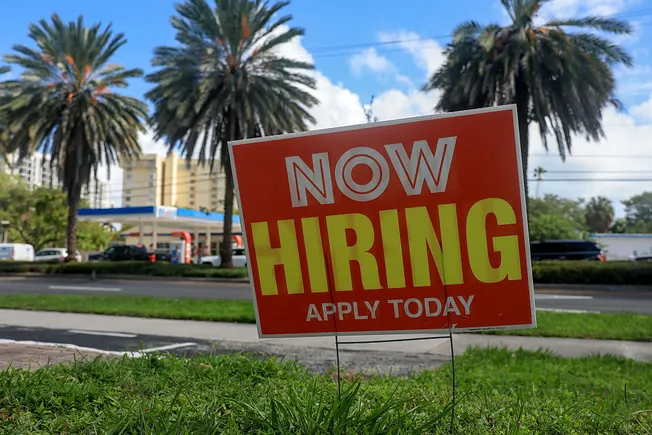
Williams-Sonoma invests $10 million one-time to reward employees, EY invests $100 million to reward skill upgraders; survey shows 86% of hiring decision-makers believe personality can bridge skill gaps.

A report by Kelly Services Inc. indicates that the data center industry faces a severe shortage of skilled workers, with data center jobs expected to reach 650,000 by 2026, a 30% increase from 2023. Construction-related positions will exceed 180,000 by 2028. Employers are addressing the challenge through skills-based hiring and rapid upskilling programs.


NFP's annual survey of 273 executive benefits decision-makers shows that despite heightened economic uncertainty, most companies maintain their current executive benefits plans. Mentions of economic factors in decision-making rose 50% year-over-year, but only 18% ranked them as the primary factor. Talent retention and succession planning continue to dominate decisions, while cybersecurity and AI risks have emerged as new concerns.
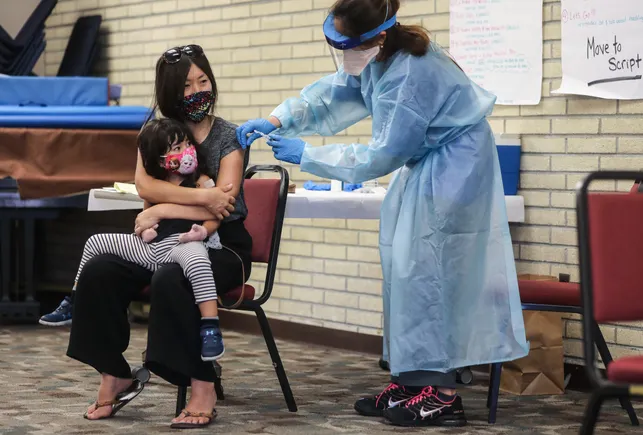
A study led by Sacred Heart University professor Jeanine Andreassi shows that flexible scheduling is the most important policy factor influencing whether working mothers continue full-time work after childbirth or adoption, while location flexibility (such as remote work) is far less predictive than time flexibility.