


Compliance
In Bennink v. Cincinnati Bell Telephone Co., the 6th Circuit held that a former IT employee was not owed overtime because his duties met the FLSA's computer employee exemption. The court stated that DOL's primary duty guidance 'gets it right' even after Loper Bright, which ended Chevron deference. The decision is at least the second appeals court to address DOL's FLSA guidance post-Loper Bright. The court applied DOL's definition of computer employee, noting that the plaintiff's lack of formal training did not disqualify him, as the FLSA and DOL guidance do not require specific degrees or job titles. The case highlights ongoing judicial scrutiny of agency interpretations following Loper Bright.
The U.S. Equal Employment Opportunity Commission (EEOC) finalized five notable settlement agreements with employers in October, as reported by HR Dive. Two cases involved sex-based harassment, including one where the agency secured $500,000 for female applicants who claimed a Texas logistics company maintained a 'male-only' hiring policy for certain roles. Another settlement addressed anti-American discrimination, a topic emphasized under EEOC Chair Andrea Lucas, involving a U.S.-based employee who alleged she was denied remote work while India-based colleagues were permitted to do so.

Judge Glenn Suddaby dismissed Wright v. Cornell University, finding the plaintiff lacked standing to challenge Cornell's DEI hiring policies. The court determined the plaintiff had publicly stated he left academia and had no intention of applying for a position at Cornell, making him unable to show he was 'able and ready' to apply. The ruling avoided addressing the merits of the DEI discrimination claims. The case highlights the importance of standing in hiring discrimination lawsuits, especially as similar challenges to corporate DEI policies gain traction.
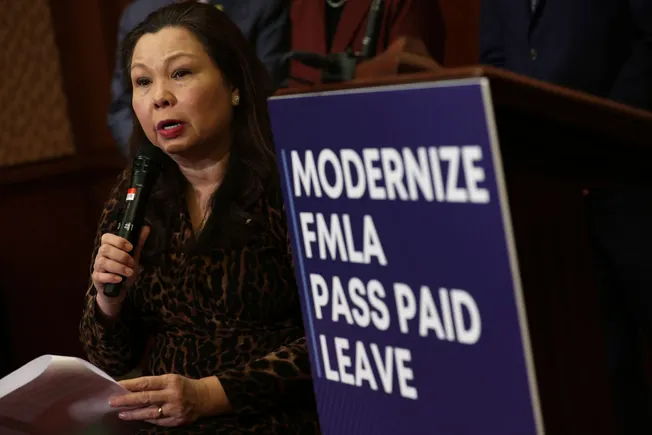
A plant manager in Northville, Michigan, brought a retaliation claim under the Family and Medical Leave Act, and the court held that the case can proceed because the company did not provide an objective reason for firing him while retaining another manager with similar duties during the reduction in force.

The U.S. Court of Appeals for the Fourth Circuit ruled on Monday that the federal district court erred in handling a religious discrimination lawsuit brought by an Essity employee who cited the Bible in refusing the COVID-19 vaccine. The court determined that the employee's objection was religious in nature and that a jury could find the refusal was motivated by mixed reasons. The case is remanded for further proceedings to determine whether Essity's undue hardship defense holds.

In its ESG report released in April 2025, Cotopaxi disclosed that it has compensated workers for the portion of predatory recruitment fees related to its production at two fabric factories in Taiwan. The issue was identified in 2024, and the brand subsequently worked with organizations such as the American Apparel & Footwear Association and the Fair Labor Association on remediation, stating that no other signs of forced labor were found in broader monitoring.
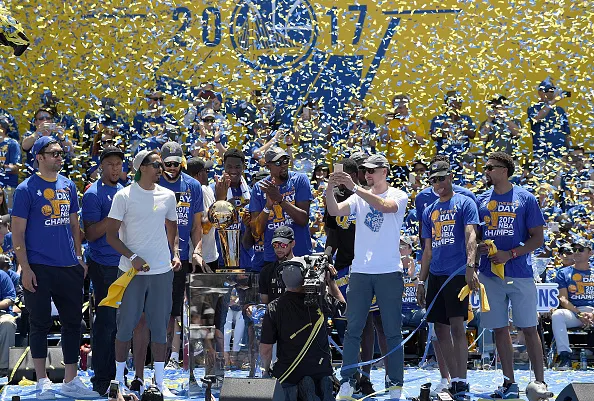
Two former Golden State Warriors female employees over the age of 40 filed a lawsuit against the team on August 25 in San Francisco Superior Court, alleging age, gender, and gender identity discrimination, harassment, and retaliation. They claim they were terminated within six months after submitting critical feedback in a 2025 NBA-wide employee satisfaction survey. The Warriors responded that the allegations are "false, misleading, and lack credible evidence," and stated they will vigorously defend against the claims.
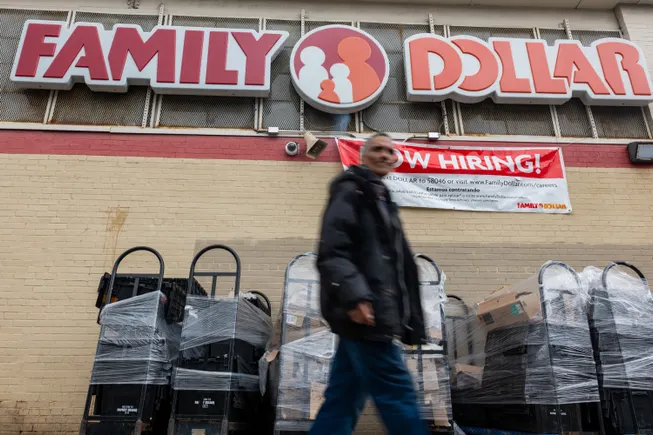
The U.S. Equal Employment Opportunity Commission (EEOC) on Monday accused Family Dollar Stores of North Carolina of discriminating against a pregnant employee. The employee was terminated for requesting leave on New Year's Eve 2024 but being unable to provide a doctor's note immediately. The EEOC stated that under the Pregnant Workers Fairness Act (PWFA), employers must consider the reasonableness of requests for medical documentation.
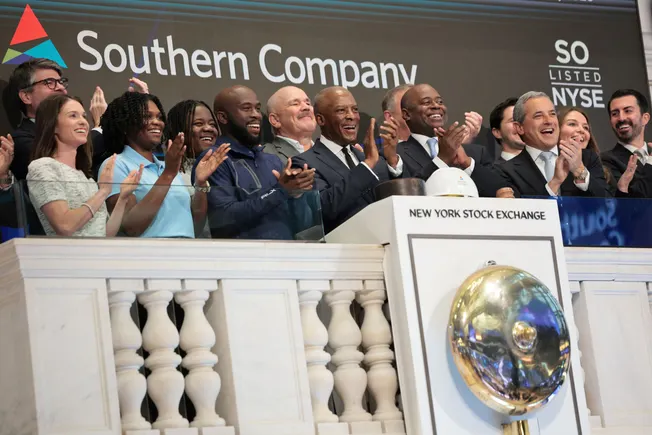
A former Southern Company Services employee, terminated shortly after turning 60, has filed a lawsuit alleging age discrimination and interference with Family and Medical Leave Act rights. The complaint states that supervisors made ageist remarks, HR took no action, and the company terminated the employee the day after approving leave.

In the compliance field, lawsuits sometimes last for years, and sometimes the parties reach an agreement (often with the defendant not admitting liability) to conclude cases more quickly. This month, HR Dive reported on eight lawsuits that ended in settlement compensation, including cases where Kroger was suspected of discriminating against an employee with nerve damage from cancer treatment, and Pearson Education's platform had insufficient accessibility for employees with visual impairments.